- CBT techniques
- Emotion-focused work
- Motivational interviewing
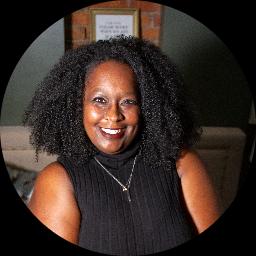
About Ranada
Ranada Dalton is an LMHC and an LPC practicing in Indiana with 19 years of experience. She works with adults on relationship and family concerns, trauma and abuse, anxiety and depression, grief, intimacy issues, parenting stress, and life transitions. Ranada also supports people dealing with ADHD, bipolar symptoms, career uncertainty, body image, and issues tied to identity and LGBT concerns.
Ranada uses a mix of conversational and structured work. She draws on client-centered methods to listen and build rapport, and on cognitive behavioral tools to spot unhelpful thinking and try new behaviors. Emotionally-focused and Gottman approaches inform her work around relationships and intimacy. Motivational interviewing helps when someone feels stuck and needs momentum for change.
Sessions tend to include practical steps and talking through patterns. She helps people set small goals, practice new ways of communicating, and plan responses to triggering situations. For someone recovering from trauma, she combines gentle processing with skills for managing symptoms in daily life.
Her background includes helping people through major life changes such as divorce, becoming a new parent, or moving between careers. She also addresses caregiver stress, blended family challenges, and communication problems that often hide behind anger or withdrawal.
Ranada welcomes international clients and conducts work in English. Costs vary with location and use a subscription that can be canceled at any time. To begin, complete the short matching questionnaire and schedule a first session via the online therapy options button.
How Ranada’s approaches fit into online work
Ranada draws on client-centered work to focus on what matters to the client and on cognitive behavioral therapy to turn patterns of thinking into concrete actions. Client-centered methods prioritize listening and building a collaborative relationship, while CBT breaks down problems into thoughts, feelings, and behaviors that can be practiced differently to reduce distress.Emotionally-Focused Therapy is often used for intimacy and relationship concerns. It helps people name and respond to emotional needs and can be useful when communication has become stuck or reactive. These approaches are practical and usually involve setting goals, practicing skills, and checking progress together.
Finding the right mix of approaches is part of the process. The therapist will work with each person to decide which methods fit their goals, preferences, and the issues they bring. That collaborative planning happens early and is revisited as work progresses.
If you plan to work online, confirm the session formats offered before booking since they are not listed in the biography. Online work can make it easier to fit sessions around school, shifts at work, or caregiving duties. It can also allow for shorter check-ins when schedules are tight, or less reliance on travel time so therapy fits into a busy day.
Areas of expertise
Primary focus
Also works with
Additional focus areas
Therapeutic approaches
Experience
19+ years
Listed in
Indiana, Georgia
Languages
English
Frequently asked questions
What kinds of concerns does she address?
She works with relationship and family issues, trauma and abuse, anxiety, depression, grief, ADHD, bipolar concerns, intimacy and parenting stress among other topics.
What is her therapeutic style like?
She blends client-centered listening with cognitive behavioral strategies, emotionally-focused methods, Gottman work for relationships, and motivational interviewing for change.
How much experience does she have?
Ranada has 19 years of clinical experience working with adults on a wide range of emotional and relationship concerns.
Where is she licensed and practicing?
She holds LMHC and LPC credentials and practices in Indiana.
Which languages are supported and can international clients connect?
Sessions are offered in English and she accepts international clients.
What session formats are offered?
The original biography does not list specific session formats; confirm current session options before booking.
How are fees handled?
Cost varies with location and sessions use a subscription that can be canceled at any time.
How do I get started with a first session?
Select the See online therapy options button, complete the short matching questionnaire, and schedule your first session.
Online talk therapy through BetterHelp is for adults aged 18 and over and is not emergency care. If you are in danger, use the emergency numbers. Find someone else by name.