- Attachment-based work
- CBT techniques
- Mindfulness skills
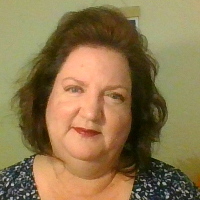
About Rachel
Rachel Black is a Florida-licensed mental health counselor (LMHC) with 20 years of clinical experience. She works with adults on issues such as stress, anxiety, relationships, grief, self-esteem, and coping with life changes. She also addresses addictions, trauma and abuse, ADHD, depression, bipolar concerns, and a range of family and intimacy-related difficulties.
Rachel uses practical, evidence-informed methods in sessions. She draws on attachment-based ideas to look at close relationships. She uses cognitive behavioral tools to spot and shift unhelpful thoughts. Mindfulness and skills from dialectical behavior therapy are used when people need emotion regulation and grounding techniques.
Sessions focus on clear goals and real skills. Conversations examine what patterns keep problems going and what small changes can make a difference. She frames therapy as a collaborative process and works with clients to build coping strategies they can use between meetings.
Rachel has experience supporting people through career transitions, parenting strain, and the practical fallout of major life changes. She also works with concerns tied to family of origin, codependency, abandonment, and communication problems.
Her work is straightforward and goal-minded. People leave sessions with specific tools to manage symptoms, improve relationships, and handle everyday stressors. To begin, prospective clients complete a short matching questionnaire and schedule a first session.
Therapeutic approaches used in online sessions
Rachel commonly uses attachment-based approaches to look at how early and current relationships shape feelings and behavior. This work helps people who struggle with trust, abandonment worries, or repeating relationship patterns. She also uses cognitive behavioral therapy, which focuses on identifying unhelpful thoughts and testing them with practical experiments to reduce anxiety and low mood.Finding the right approach tends to be collaborative. Rachel will work with each client to weigh goals, preferences, and what feels most useful in early sessions. That conversation guides which techniques are emphasized as therapy continues.
Confirm the specific online session options before booking, as formats are not listed here. Online work can make it easier to fit sessions into a busy schedule, allow for shorter check-ins when time is tight, and reduce travel time around work or school. It also lets clients practice new skills in their regular routines and bring real-life examples into the session for troubleshooting.
Areas of expertise
Primary focus
Also works with
Additional focus areas
Therapeutic approaches
Experience
20+ years
Listed in
Florida
Languages
English
Frequently asked questions
What kinds of problems does she address?
She helps with stress, anxiety, relationship and intimacy issues, grief, self-esteem, addiction concerns, ADHD, depression, bipolar symptoms, and related family matters.
How does she approach therapy?
Her style combines attachment-based ideas, client-centered listening, cognitive behavioral techniques, DBT skills, and mindfulness to produce practical tools and clearer patterns.
How much experience does she have?
She has 20 years of clinical experience working with adult clients on a wide range of emotional and relational concerns.
What are her credentials and where is she based?
She is a Florida LMHC (Licensed Mental Health Counselor) and practices from Florida.
Does she work in languages other than English?
Sessions are offered in English.
Can international clients work with her?
International clients are not accepted at this time.
How are sessions paid for and what does it cost?
Cost varies with location and sessions use a subscription model that can be canceled at any time.
How do I begin a first session?
Select the See online therapy options button, complete a short matching questionnaire, and schedule a first session.
Online talk therapy through BetterHelp is for adults aged 18 and over and is not emergency care. If you are in danger, use the emergency numbers. Find someone else by name.