- ACT techniques
- CBT tools
- Attachment work
About Mary
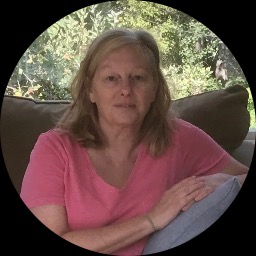
Mary Yost is a Licensed Clinical Mental Health Counselor (LCMHC) in New Hampshire with 29 years of experience. She works with people who are facing depression, addiction, relationship and intimacy concerns, and self-esteem difficulties. Mary also addresses issues related to adoption and foster care, aging, attachment, and chronic illness among other challenges.
Mary uses practical talk and structured tools to help people manage everyday pressure. She blends approaches such as Acceptance and Commitment Therapy (ACT), Cognitive Behavioral Therapy (CBT), Dialectical Behavior Therapy (DBT), attachment-based work, and client-centered methods. Sessions focus on clear strategies and small, useful changes rather than jargon or theory alone.
Her clinical work often centers on relationship patterns and addictive behaviors. She helps people notice what keeps them stuck, try different responses, and build new habits that feel workable in daily life. Topics commonly include communication problems, codependency, commitment questions, and intimacy-related struggles.
Mary also supports those coping with chronic medical issues, grief after separation or divorce, caregiver stress, and body image concerns. She pays attention to how past experiences, including adoption or attachment difficulties, show up in current relationships and self-view.
Sessions move at a steady, practical pace. Mary uses evidence-informed techniques alongside attentive listening. People seeking help for transitions into adulthood, career stress, or feeling empty have worked with her to create clearer plans and steadier routines.
How her approaches work for online sessions
Acceptance and Commitment Therapy (ACT) helps people notice unhelpful thoughts and make choices based on values. It can be useful for depression, emptiness, and making changes that matter. Cognitive Behavioral Therapy (CBT) focuses on the link between thoughts, feelings, and behavior and gives concrete tools to reduce anxiety or low mood. Attachment-Based Therapy looks at relationship patterns and how early bonds affect current intimacy and communication.Picking the right approach is part of the work. Mary discusses options with each person and collaborates on which methods to use. That choice is guided by the client's immediate needs, goals, and what feels manageable in sessions.
The practical benefits of online work include fitting sessions into a busy week and reducing travel time. Because the therapist's exact session formats are not specified here, confirm current session options before booking. Online sessions can make it easier to keep regular check-ins, try brief skills practice between meetings, or schedule appointments around school or work commitments.
Areas of expertise
Primary focus
Additional focus areas
Therapeutic approaches
Experience
29+ years
Listed in
New Hampshire
Languages
English
Frequently asked questions
What kinds of problems does she help with?
She works with depression, addictions, relationship and intimacy issues, and self-esteem concerns, plus a broad list of related life stresses.
What is her general therapeutic style?
Her style is practical and person-centered, using clear strategies from ACT, CBT, DBT, attachment work, and client-centered methods.
How much experience does she have?
Mary has 29 years of clinical experience working with adults on a wide range of emotional and life challenges.
Where is she licensed and practicing?
She is an NH LCMHC and practices in New Hampshire.
Which languages are sessions offered in?
Sessions are offered in English.
Can people from other countries sign up?
International clients are not currently accepted.
How are costs handled?
Cost varies with location and sessions use a subscription that can be canceled at any time.
What does getting started look like?
Select the See online therapy options button, complete a short matching questionnaire, and schedule a first session.
Online talk therapy through BetterHelp is for adults aged 18 and over and is not emergency care. If you are in danger, use the emergency numbers. Find someone else by name.