- Anxiety management
- CBT and DBT skills
- Trauma-informed care
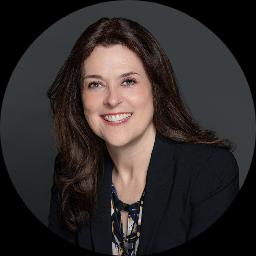
About Glenna
Glenna Rodgers is an LPC (Licensed Professional Counselor) with 27 years of clinical experience, licensed in New Jersey as an LPC and practicing in Arkansas. She works with common early adult concerns like anxiety, stress, depression, relationship strain, and difficulties with focus or self-esteem. Her background also includes work with trauma, grief, addiction, parenting stress, and mood conditions.
Rodgers keeps sessions straightforward and practical. She listens and helps people spot patterns in their thinking and behavior. Then she teaches concrete skills to manage intense emotions, improve relationships, and handle life transitions.
Her approach draws on Client-Centered methods, Cognitive Behavioral Therapy (CBT), Dialectical Behavior Therapy (DBT), and trauma-focused techniques. That mix means conversations can move between exploring a problem, learning a new skill, and planning small behavioral changes. Sessions often focus on what to try between meetings.
Many people consult her about workplace stress, starting or changing careers, coping after a breakup, or feeling behind compared with peers. She also addresses sleep and eating concerns, parenting strain, and the impact of chronic illness or caregiving responsibilities.
Glenna emphasizes helping people gain clearer insight and usable coping strategies. She supports clients as they practice new ways of handling emotions and interactions. If someone wants to work on substance-related struggles, boundaries, or rebuilding after trauma, she integrates practical techniques suited to those goals.
How Glenna uses common therapeutic approaches online
Client-Centered Therapy focuses on the person leading the conversation while the counselor listens and reflects. It helps people clarify what matters to them and find their own solutions, which can be useful for identity questions and decisions about work or relationships. Cognitive Behavioral Therapy (CBT) looks at how thoughts, feelings, and actions connect. It teaches practical exercises to test unhelpful thoughts and try different behaviors, often helpful for anxiety, low mood, and sleep or eating concerns. Dialectical Behavior Therapy (DBT) teaches concrete skills for managing intense emotions and improving communication. DBT techniques can be useful for handling strong reactions, setting boundaries, and reducing impulsive behaviors. Finding the right approach is part of the work. The therapist will discuss goals and preferences, and together they will decide which methods to use. That collaborative planning makes it easier to try techniques that fit a person's day-to-day life. Confirm the session formats and scheduling options before booking, since formats were not specified in the biography. Online sessions can help fit therapy into a busy routine by reducing travel and making it simpler to schedule shorter check-ins or evening appointments. They also allow practical use of worksheets, skill practice, and behavioral planning between meetings.Areas of expertise
Primary focus
Also works with
Additional focus areas
Therapeutic approaches
Experience
27+ years
Listed in
Arkansas, Mississippi, New Jersey, Virginia
Languages
English
Frequently asked questions
What kinds of concerns does she help with?
She works with stress, anxiety, depression, relationship strain, focus and self-esteem problems, and related issues such as trauma, grief, addiction, and parenting stress.
What is her therapy style like?
She uses a practical, skills-focused style that includes listening, helping clients identify patterns, and teaching techniques from CBT and DBT to manage emotions and behaviors.
How much clinical experience does she have?
She has 27 years of experience working with a wide range of concerns including mood conditions, trauma, and coping with life changes.
Where is she licensed and based?
She holds LPC credentials and is noted as NJ LPC; she practices in Arkansas. Confirm any state licensure questions directly when booking.
Which languages are supported?
Sessions are offered in English.
Can people outside the U.S. work with her?
International clients are not currently accepted.
How are sessions scheduled and paid for?
Cost varies by location and sessions use a subscription that can be canceled at any time; confirm fees for your region before scheduling.
How do I begin a first session?
Use the See online therapy options button, complete a short matching questionnaire, and schedule a first session through the platform.
Online talk therapy through BetterHelp is for adults aged 18 and over and is not emergency care. If you are in danger, use the emergency numbers. Find someone else by name.