- Client-Centered Therapy
- CBT and DBT skills
- Mindfulness and motivation
About Chrissy
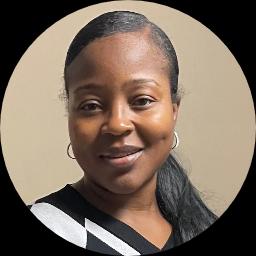
Chrissy Mobley-Gilmore is a Licensed Professional Counselor (LPC) in South Carolina with 15 years of clinical experience. She has a background that includes work as a registered nurse and long-term counseling practice. Chrissy works with concerns commonly faced in early adulthood and beyond, including depression, anxiety, relationship problems, substance use, grief, and life transitions.
Her approach is client-centered and interactive. Sessions focus on honest dialogue and building a plan that fits each person's goals. She uses practical methods drawn from cognitive-behavioral techniques, dialectical behavior strategies, mindfulness, motivational interviewing, and person-focused work.
Chrissy has worked with people who have experienced trauma, including physical injury, emotional abuse, and domestic violence. She also has experience with dual diagnosis, personality challenges, anger management, and career or school-related difficulties. This mix of nursing and counseling experience guides her attention to both emotional and practical needs.
In sessions she encourages people to notice their strengths and use them to handle setbacks. Conversations typically combine skill-building with reflection. Homework or short practice tasks may be suggested when useful.
To begin, a short matching questionnaire and a scheduled first session are used to set goals and preferences. Chrissy emphasizes collaboration so that the plan stays useful and realistic as life changes.
How her approaches translate to online work
Client-Centered Therapy focuses on a respectful, listening approach that helps people clarify goals and priorities. It supports work on relationship issues, self-esteem, and decisions about school or work. Cognitive Behavioral Therapy (CBT) breaks down patterns of thought and behavior into practical steps and exercises. It is useful for anxiety, depression, and building coping skills. Dialectical Behavior Therapy (DBT) teaches concrete skills for emotion regulation, distress tolerance, and improving interpersonal effectiveness, which can help with intense mood swings or relationship conflict.Finding the right mix of approaches is part of the early work. The therapist and client review needs, goals, and preferences together and choose techniques that suit the situation. This is a collaborative process that can be adjusted over time as progress and challenges appear.
Confirm current session options before booking, as the biography does not list specific formats. Online work can make it easier to fit sessions into study or work schedules, reduce travel time, and allow shorter check-ins when days are busy. Some approaches, like skills coaching from DBT and CBT homework review, adapt well to remote sessions. Ask about session length and frequency when you schedule the first appointment.
Areas of expertise
Primary focus
Also works with
Additional focus areas
Therapeutic approaches
Experience
15+ years
Listed in
South Carolina
Languages
English
Frequently asked questions
What issues does she commonly help with?
She works with depression, anxiety, substance use, relationship and family concerns, grief, trauma, and life changes that often affect young adults.
What is her therapeutic style like?
Her style is client-centered and interactive. Sessions focus on dialogue, skill practice, and developing a clear plan.
How much clinical experience does she have?
She has 15 years of experience as a counselor and also has a background as a registered nurse.
What are her credentials and where is she based?
She is a Licensed Professional Counselor (LPC) licensed in South Carolina.
Does she work in languages other than English?
Sessions are offered in English only.
Can people outside the U.S. work with her?
She does not accept international clients at this time.
How are sessions paid for?
Cost varies with location; sessions use a subscription that can be canceled at any time.
How do I start working with her?
Use the See online therapy options button, complete a short matching questionnaire, and schedule a first session to begin.
Online talk therapy through BetterHelp is for adults aged 18 and over and is not emergency care. If you are in danger, use the emergency numbers. Find someone else by name.