- CBT
- DBT skills
- Motivational Interviewing
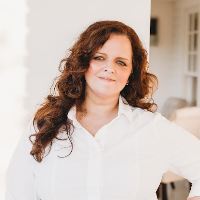
About Amanda
Amanda Reid is an LPC (Licensed Professional Counselor) with eight years of clinical experience working in outpatient settings across South Carolina. She works with adults coping with stress, anxiety, addiction, trauma and abuse, depression, ADHD, parenting concerns, anger, low self-esteem, bipolar disorder, and life changes. Amanda uses practical, skills-based methods to help people manage symptoms and make day-to-day life more workable.
She previously worked as a substance abuse counselor and therapist in a group home and a mental health hospital. Those roles shaped her interest in helping people build steady coping skills. Amanda often focuses on grounding techniques, increasing coping skills, and strengthening cognitive habits that reduce distress.
Her practice draws on Client-Centered Therapy, Cognitive Behavioral Therapy (CBT), Dialectical Behavior Therapy (DBT), Emotionally-Focused Therapy (EFT), and Motivational Interviewing. In sessions she aims to help people reframe difficult thinking, practice concrete skills, and notice what’s working in their life. The work tends to be practical and collaborative.
Amanda has particular experience with adoption and foster care issues, abandonment and attachment concerns, blended family challenges, body image and caregiver stress. She also supports people facing chronic illness, comorbidity, codependency, communication and commitment struggles, and life transitions such as divorce and separation.
She offers sessions in English and practices in South Carolina. Her background combines community and inpatient settings, which informs a straightforward, skill-focused approach to everyday problems.
How Amanda’s approaches translate to online work
Amanda uses Cognitive Behavioral Therapy (CBT) and Dialectical Behavior Therapy (DBT) as core methods. CBT focuses on identifying and changing unhelpful thoughts and behaviors, which helps with anxiety, depression, and stress through homework and skill practice. DBT emphasizes emotion regulation and distress tolerance skills that can reduce intense reactions and improve day-to-day coping.She also draws on Client-Centered Therapy, which keeps the person’s goals and preferences central. Together these approaches let her and the client choose practical tools and adjust the plan over time. Figuring out which approach fits best is part of the first sessions and is done collaboratively based on needs and preferences.
Confirm the specific session formats before booking, since the biography does not list them. Online work can make it easier to fit therapy around school, work, or caregiving. It can allow shorter check-ins when schedules are tight, reduce travel time, and let clients practice skills in their everyday settings. Licensed professionals can adapt CBT worksheets, DBT skills practice, and motivational interviewing conversations to remote sessions, and Amanda will help match the approach to the goals you bring.
Areas of expertise
Also works with
Additional focus areas
Therapeutic approaches
Experience
8+ years
Listed in
South Carolina
Languages
English
Frequently asked questions
What kinds of concerns does she help with?
Amanda works with stress, anxiety, addictions, trauma and abuse, depression, ADHD, parenting strain, anger, self-esteem, bipolar disorder, and coping with life changes.
How would she describe her therapeutic style?
Her style is practical and collaborative, using client-centered work alongside CBT and DBT techniques to build coping skills and reframe thinking.
How much clinical experience does she have?
She has eight years of experience, including work as a substance abuse counselor and therapist in a group home and a mental health hospital.
What are her credentials and where does she practice?
She is an LPC (Licensed Professional Counselor) and practices in South Carolina.
Does she run sessions in other languages or accept international clients?
Sessions are offered in English and she does not accept international clients at this time.
What session formats are offered?
Confirm current session options before booking, as the biography does not list specific formats directly.
How is cost handled?
Cost varies by location; sessions use a subscription that can be canceled at any time.
How do I begin working with her?
Select the See online therapy options button, fill out a short matching questionnaire, and schedule a first session.
Online talk therapy through BetterHelp is for adults aged 18 and over and is not emergency care. If you are in danger, use the emergency numbers. Find someone else by name.