- Communication skills
- CBT and client-centered
- Grief and addiction
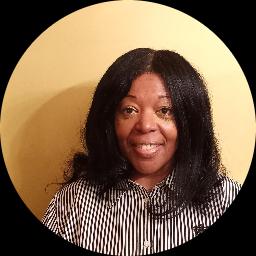
About Sahntanyna
Sahntanyna Blackwell is a Licensed Mental Health Counselor (LMHC) in New York and a Licensed Professional Counselor (LPC) in New Jersey with 20 years of clinical experience. She helps people who are facing relationship difficulties, family conflict, intimacy concerns, substance use, mood disorders, ADHD, and major life changes.
Her work focuses on clear, practical conversation. She helps people improve communication, rebuild trust, and address commitment or control issues. She also supports individuals coping with grief, anger, abandonment or blended family stress. Sessions are straightforward and goal-oriented rather than theoretical.
Sahntanyna uses a mix of approaches to fit what someone needs. She draws on Client-Centered methods to prioritize the person’s perspective. She uses Cognitive Behavioral Therapy to identify patterns that keep problems going. She also includes Motivational Interviewing and Psychodynamic ideas when helpful to understand deeper patterns from relationships and family history.
She has experience with couples and pre-marriage counseling, parent-child relationship problems, and work with people affected by domestic violence and substance use. She also offers faith-based and psychoeducational counseling when that is requested.
Her practice emphasizes respect and sensitivity. Sessions are collaborative - the person and the therapist set priorities and practical steps together. To begin, people choose the online therapy options button, complete a short matching questionnaire, and schedule a first session.
How her approaches guide online sessions
Client-Centered Therapy focuses on listening and reflecting what matters to the person. It helps people feel heard and decide on goals they want to work toward. Cognitive Behavioral Therapy (CBT) looks at thoughts, emotions, and behaviors that keep problems going and uses practical strategies to change them. Motivational Interviewing helps people clarify their own reasons for change and build readiness for new habits.Choosing an approach is a collaborative process. The therapist will talk with the person about their goals, try a few methods, and adjust based on what is working. Sessions are paced to fit the person’s needs and preferences rather than following a fixed script.
Confirm the session formats currently offered before booking, as options are not specified here. Online work can make it easier to fit counseling into busy schedules, reduce travel time, and keep follow-up brief when needed. It can also allow for shorter check-ins when life demands a quick conversation. Licensed professionals use these approaches to support practical change and clearer decision making during regular appointments.
Areas of expertise
Primary focus
Also works with
Additional focus areas
Therapeutic approaches
Experience
20+ years
Listed in
New York, New Jersey
Languages
English
Frequently asked questions
What kinds of concerns does she address?
She works with relationship and family issues, intimacy problems, self-esteem, addictions, grief, anger, bipolar disorder, depression, and ADHD.
What is her therapeutic style like?
Her style is collaborative and practical. She mixes client-centered listening with CBT techniques and other approaches to make concrete changes.
How much experience does she have?
She has 20 years of clinical experience working with a range of concerns and client situations.
What are her credentials and location?
She is an LMHC in New York and an LPC in New Jersey and practices from New Jersey.
Which languages are supported?
Sessions are offered in English.
Can people outside the United States work with her?
She does not accept international clients at this time.
How are sessions paid for?
Cost varies with location and sessions use a subscription that can be canceled at any time.
How do I get started?
Select the See online therapy options button, complete a short matching questionnaire, and schedule a first session.
Online talk therapy through BetterHelp is for adults aged 18 and over and is not emergency care. If you are in danger, use the emergency numbers. Find someone else by name.