- CBT techniques
- DBT skills
- Gottman Method
About Randolph
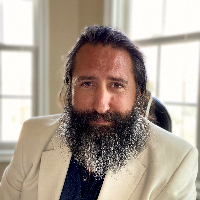
Prof. Randolph (Randy) Beasley is an LMFT - Licensed Marriage and Family Therapist practicing in California with five years of clinical experience. He works with adults on issues such as stress, anxiety, depression, bipolar concerns, addictions, relationship struggles, and career and life transitions. Randy also addresses parenting and family stress, grief, intimacy-related issues, ADHD, and related concerns.
Randy combines goal-focused work with a client-centered approach. He aims to help people identify patterns in thoughts and behaviors and then develop practical steps to change them. Sessions tend to be straightforward and action oriented, with goals set together.
He trained in marriage and family therapy after earlier studies in business and theology. His background includes roles as a pastor, camp director, and work in community clinics, substance use treatment, a state hospital, and jail settings. This mix of settings shaped his practical approach to common life problems.
Randy draws on Cognitive Behavioral Therapy, Dialectical Behavior Therapy, the Gottman Method, existential ideas, and client-centered work when those approaches fit a person's needs. He has additional experience related to trauma-focused CBT, crisis intervention training, and motivational values tools, which inform how he structures sessions when appropriate.
People who want clear goals, direct feedback, and step-by-step strategies often find his style useful. He works with adults navigating early adulthood pressures like first jobs, changing relationships, and identity questions, and with others facing longer-term mood or relationship challenges.
How therapeutic approaches work in online sessions
Client-Centered Therapy focuses on listening and understanding a person's perspective. It helps people clarify values and goals and is useful for relationship and identity questions.Cognitive Behavioral Therapy (CBT) looks at the links between thoughts, feelings, and actions. It uses practical exercises and homework to change thinking patterns that contribute to anxiety, depression, or unhelpful behaviors.
Dialectical Behavior Therapy (DBT) teaches skills for managing intense emotions and improving interpersonal effectiveness. It can help with mood instability, impulsive behaviors, and stress that affects relationships.
Finding the right approach is a collaborative process. The therapist will discuss your goals, try methods that fit your needs, and adjust techniques based on what helps. Expectations and plans are set together rather than prescribed up front.
Confirm which session formats are available before booking, as this profile does not list specific formats. Many people find online sessions helpful because they fit into busy days, reduce travel time, and can make scheduling around work or school easier. Consider quieter surroundings, shorter check-ins, or audio-only when that suits your day. Licensed professionals can adapt CBT, DBT, and client-centered work to an online setting to focus on skills, problem solving, and relationship work without changing the core approach.
Areas of expertise
Primary focus
Also works with
Additional focus areas
Therapeutic approaches
Experience
5+ years
Listed in
California, Alaska
Languages
English
Frequently asked questions
What kinds of problems does he address?
He helps with stress, anxiety, depression, bipolar challenges, addictions, relationship and intimacy issues, grief, parenting and career changes.
How would you describe his therapy style?
His approach is goal-oriented and client-centered, using practical steps to change thinking and behavior patterns.
What is his professional background?
He has five years of clinical experience and prior roles as a pastor and camp director, plus work in community clinics, substance use treatment, a state hospital, and jail settings.
What credentials and location apply to his practice?
He is an LMFT licensed in California and practices from that state.
Can non-US residents work with him?
He accepts international clients and offers sessions in English.
What session formats are offered?
Session formats are not specified here; please confirm the current online and in-person options before booking.
How does billing and cost work?
Costs vary by location and sessions use a subscription that can be canceled at any time.
How do I begin working with him?
Use the See online therapy options button, complete a short matching questionnaire, and schedule your first session.
Online talk therapy through BetterHelp is for adults aged 18 and over and is not emergency care. If you are in danger, use the emergency numbers. Find someone else by name.