- ACT and CBT
- Attachment work
- Transactional Analysis
About Karyn
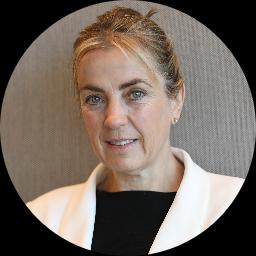
Karyn Krawford is a PACFA-accredited practitioner with seven years of clinical experience in Australia. She works with people facing stress, anxiety, depression, relationship difficulties, trauma and bipolar disorder. She also notes particular interest in attachment, abandonment and adoption and foster care concerns.
Karyn uses straightforward conversation and psychoeducation to help people understand how thoughts and emotions affect behaviour. She talks through relationship dynamics, power patterns, and the psychological drivers that appear under stress. Her background in social science informs how culture, gender and organisational dynamics shape personal experience.
Her sessions focus on building awareness and clearer communication. She explains how emotional regulation skills and behavioural changes can reduce conflict and improve day-to-day functioning. She may introduce exercises that help people practise new ways of responding outside of sessions.
Karyn names Acceptance and Commitment Therapy, Cognitive Behavioural Therapy, Dialectical Behaviour Therapy, Attachment-Based Therapy and Client-Centred Therapy among her approaches. She also draws on Transactional Analysis ideas to look at patterns of interaction and autonomy in relationships.
People often come to her when they feel stuck after relationship problems, shifts in mood, or big life changes. She offers practical explanations and tools, and works with clients to decide what to try next. To begin, people complete a short matching questionnaire and schedule a first session through the online options button.
How Karyn uses ACT, CBT and attachment ideas online
Acceptance and Commitment Therapy (ACT) helps people notice unhelpful thinking and choose actions that match their values. It often focuses on small actions that reduce avoidance and increase a sense of direction, which can help with anxiety and feeling stuck.Cognitive Behavioural Therapy (CBT) looks at the links between thoughts, feelings and behaviour. It teaches practical skills for challenging unhelpful thoughts and building routines that support mood and motivation.
Attachment-Based Therapy examines how early relationship patterns influence current interactions and emotional responses. It can be useful when relationship triggers, abandonment worries or trust issues are getting in the way of everyday life.
Choosing the right approach is a collaborative process. The therapist will talk with the person about their goals, preferences and what feels most useful, then try approaches that fit those needs. Adjustments are made as work progresses so methods stay relevant to the person’s situation.
Session formats are not specified in the biography, so confirm current options before booking. Online sessions can make it easier to fit therapy into study, work or travel schedules, allow shorter check-ins when time is limited, and remove the need to travel to appointments. Appropriately qualified therapists will discuss practical arrangements and recommend ways to make sessions work within a person's daily life.
Areas of expertise
Primary focus
Additional focus areas
Therapeutic approaches
Experience
7+ years
Listed in
Australia
Languages
English
Frequently asked questions
What concerns does she address?
She works with stress, anxiety, depression, relationship problems, trauma and bipolar disorder, plus related issues such as abandonment and attachment difficulties.
What is her therapeutic style like?
She uses clear conversation and psychoeducation, combining ACT, CBT, DBT, attachment-based ideas and client-centred work to help people understand and change patterns.
How much experience does she have?
She has seven years of clinical practice in Australia working with a range of mood and relationship concerns.
What credential does she hold and where is she based?
She is listed with PACFA and practises in Australia.
Which languages are sessions offered in?
Sessions are offered in English.
Can people outside Australia work with her?
She is not accepting international clients at this time.
How do costs and billing work?
Costs vary with location and sessions are provided through a subscription model that can be cancelled at any time.
How do I start a first session?
Select the See online therapy options button, complete a short matching questionnaire, and schedule your first session.
Online talk therapy through BetterHelp is for adults aged 18 and over and is not emergency care. If you are in danger, use the emergency numbers. Find someone else by name.