- Person-Centered approach
- CBT and DBT skills
- Hypnotherapy options
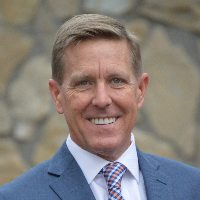
About David
David Yoder is a Licensed Professional Counselor (LPC) in Missouri with six years of practice. He works with adults on common early-adulthood pressures like stress, anxiety, depression, relationship challenges, substance issues, and life transitions. He lists attention-deficit concerns and bipolar disorder among his focus areas as well. Sessions are presented in straightforward language and aimed at practical change.
Yoder describes a person-centered approach as his base. That means sessions start from the client's experience and priorities. He also uses tools from cognitive behavioral therapy and dialectical behavior therapy to address thinking patterns, emotion regulation, and coping skills. Hypnotherapy and existential ideas may be part of the work when they match a client's goals.
He often sees people dealing with fear-based struggles - things that make daily life feel harder than it should. That includes sleep problems, grief, family-of-origin issues, and struggles with identity or belonging. He also lists concerns such as codependency, communication problems, impulsivity, and problems tied to addiction.
In practice he aims to help people name what matters and experiment with different ways to change it. Sessions can include structured skill work like CBT exercises or DBT skills, conversational reflection from a person-centered stance, and brief hypnotherapy when appropriate. He treats each problem as individual rather than fitting everyone into the same box.
People considering him should expect direct, plain conversation about goals and options. He asks practical questions, tries tools listeners can use between meetings, and adjusts methods based on what helps. The emphasis is on clear steps and real-world coping strategies rather than jargon or promises.
How his approaches translate to online work
David uses a person-centered approach that focuses on the client's experience and priorities. That approach means conversations are driven by what the client brings, with the therapist listening and reflecting to clarify goals and next steps. He also uses cognitive behavioral therapy, which looks at how thoughts and behaviors affect feelings and teaches practical exercises to change unhelpful patterns. Dialectical behavior therapy is another common tool he uses for emotion regulation, distress tolerance, and building interpersonal skills. These methods help with anxiety, depression, relationship stress, and managing impulses. Choosing an approach is collaborative. He will work with clients to try different methods and see what fits their needs and preferences. The process often mixes reflective conversation with specific skill training, and the plan can change based on what helps. Confirm the available session formats before you book, since the biography did not list specific formats. Online sessions can make it easier to fit meetings into a work or school day, allow shorter check-ins when needed, and reduce travel time. If a client prefers practical skills work, CBT or DBT sessions can focus on homework and brief practices between meetings. The aim is to make therapy fit daily life while addressing the issues that brought someone in.Areas of expertise
Primary focus
Also works with
Additional focus areas
Therapeutic approaches
Experience
6+ years
Listed in
Missouri
Languages
English
Frequently asked questions
What kinds of problems does he focus on?
He works with stress, anxiety, depression, addictions, relationship problems, grief, sleep issues, ADHD, bipolar concerns and related life changes.
How would he approach my situation?
He starts from a person-centered base and adds techniques like cognitive behavioral therapy and dialectical behavior therapy to address thinking patterns and emotions.
How much experience does he have?
He has six years of experience as a Licensed Professional Counselor.
Where is he licensed and based?
He is an LPC licensed in Missouri and practices from that state.
Can I work with him if I live outside the US?
Sessions are offered in English and he is not accepting international clients at this time.
What session formats are available?
Confirm current session options before booking since the original biography does not specify which formats are offered.
How much do sessions cost?
Cost varies with location; sessions use a subscription model that can be canceled at any time.
How do I start working with him?
Select the See online therapy options button, complete the short matching questionnaire, and schedule a first session.
Online talk therapy through BetterHelp is for adults aged 18 and over and is not emergency care. If you are in danger, use the emergency numbers. Find someone else by name.