- CBT techniques
- Mindfulness practice
- DBT skills
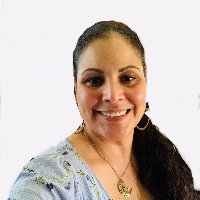
About Brenda
Brenda Wicks is a California Licensed Marriage and Family Therapist (LMFT) with 23 years of clinical experience. She works with adults on common early-adulthood pressures such as stress, anxiety, career questions, relationship problems, and coping with life changes, as well as concerns like depression, addiction, grief, and ADHD.
Her sessions are interactive and practical. She listens first, then helps identify patterns that make feelings worse. Brenda uses conversational techniques to help people spot unhelpful thoughts and try different behaviors. She also draws on mindfulness skills to ground people during overwhelming moments.
Brenda has long experience across community and clinical settings. That background includes extended work assisting people who have survived violent crimes, supporting them through trauma-related reactions and recovery tasks. She has also worked with a wide range of life stressors such as caregiver strain, blended family issues, and major life transitions.
In therapy she often blends client-centered work with cognitive behavioral strategies and skills from dialectical behavior therapy. Sessions may include goal-setting, skills practice, and moments of focused reflection. She helps people build clearer communication patterns and manage intense emotions.
People who want practical changes will find straightforward tools and step-by-step approaches in her work. Brenda aims to help clients make manageable shifts in thinking and routine that reduce distress and improve day-to-day functioning.
Therapeutic approaches used in online sessions
Client-centered work focuses on listening and reflecting what matters to the client, helping people clarify values and goals. This approach is useful when someone feels uncertain about next steps or wants space to talk things through.Cognitive Behavioral Therapy (CBT) helps identify and shift thought patterns that increase anxiety or low mood. CBT uses short exercises and behavioral experiments that can be done between sessions to change how daily routines affect feelings.
Dialectical Behavior Therapy (DBT) contributes skills for handling intense emotions and improving communication. DBT techniques include emotion regulation, distress tolerance, and interpersonal effectiveness training that are practical for relationship and impulse-related concerns.
Finding the right mix of approaches is part of the work. The therapist will discuss options and decide together which methods match the client's needs, goals, and preferences. That collaborative process shapes what happens in sessions and what skills are practiced.
Confirm current session options before booking since formats are not specified here. Online sessions can make it easier to fit therapy into a busy schedule, cut travel time, and allow shorter check-ins when needed. Therapists can assign brief between-session exercises and follow up on progress to keep work moving between meetings.
Areas of expertise
Primary focus
Also works with
Additional focus areas
Therapeutic approaches
Experience
23+ years
Listed in
California
Languages
English
Frequently asked questions
What kinds of problems does she address?
She works with stress, anxiety, depression, addiction, grief, relationship and intimacy issues, career concerns, ADHD, and related life changes.
What is her therapeutic style like?
Her style is interactive and practical, focusing on listening, identifying patterns, and practicing new skills in session.
How long has she been practicing?
She has 23 years of clinical experience working in a range of mental health settings.
What credential does she hold and where is she based?
She is a California LMFT and practices in California.
Can sessions be conducted in other languages?
Sessions are offered in English.
Does she work with international clients?
She does not accept international clients at this time.
How are fees handled?
Cost varies with location and sessions use a subscription that can be canceled at any time.
How do I begin a first session?
Use the See online therapy options button, complete the short matching questionnaire, and schedule your first session.
Online talk therapy through BetterHelp is for adults aged 18 and over and is not emergency care. If you are in danger, use the emergency numbers. Find someone else by name.