- CBT strategies
- DBT skills
- Mindfulness practice
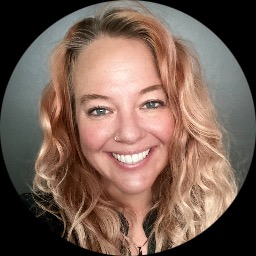
About Allyson
Allyson Coats is a California LPCC with seven years of clinical experience. She works with adults on stress, anxiety, addiction, trauma and abuse, low self-esteem, depression, LGBT concerns, relationship and family issues, grief, sleep problems, parenting stress, anger, career questions, bipolar disorder, ADHD, and coping with life changes.
Her style is straightforward and interactive. She uses client-centered work alongside cognitive behavioral strategies and dialectical behavior techniques. Mindfulness and motivational interviewing are also part of her toolkit. Sessions often include creative methods such as journaling or expressive activities when helpful.
Allyson focuses on practical skills and clear steps people can try between sessions. She helps clients notice patterns, try new ways of responding to stress, and build routines that reduce anxiety and improve sleep. Conversations aim to be direct and useful for daily life rather than only theoretical.
She has experience working across a range of concerns including addiction, trauma, and mood disorders. Over seven years she has supported people facing job transitions, relationship strain, and the pressure of early adulthood decisions. Her approach balances problem-solving with attention to how thoughts and behaviors affect feelings.
Sessions use a subscription model that can be canceled at any time. Prospective clients complete a short matching questionnaire and schedule a first session after selecting the online therapy options button. Sessions are offered in English and she does not work with international clients.
How her approaches translate to online work
Client-centered therapy focuses on listening and building a collaborative working relationship. In practice this means sessions start by naming immediate concerns and choosing goals together. Cognitive Behavioral Therapy, or CBT, looks at thoughts and behaviors that keep problems going and teaches concrete skills for changing them. It is often used for anxiety, depression, sleep issues, and managing urges linked to addiction.Dialectical Behavior Therapy, or DBT, offers practical skills for managing intense emotions, improving distress tolerance, and strengthening interpersonal effectiveness. DBT-style skills can be useful when someone struggles with strong reactions, impulsivity, or relationship conflicts. Allyson uses these methods alongside mindfulness and motivational interviewing to help clients try small experiments between sessions and notice what changes.
Finding the right approach is part of the work. Allyson collaborates with each person to pick strategies that match their goals and daily life. That choice can shift as progress is made or as different challenges arise.
The profile does not list specific online formats, so confirm current session options before booking. Online work can make scheduling easier and help sessions fit around school, work, or caregiving. Some people prefer shorter check-ins, others use full sessions for skill practice or problem-solving. Licensed professionals can adapt exercises, homework, and mindfulness practices to the online setting so therapy fits into everyday routines.
Areas of expertise
Also works with
Additional focus areas
Therapeutic approaches
Experience
7+ years
Listed in
California
Languages
English
Frequently asked questions
What kinds of concerns does she address?
She works with stress, anxiety, addictions, trauma and abuse, self-esteem, depression, LGBT concerns, relationship and family issues, grief, sleep problems, parenting strain, anger, career challenges, bipolar disorder, ADHD, and related life changes.
What is her general approach in sessions?
Sessions are interactive and practical, using client-centered conversations together with CBT, DBT, mindfulness, and motivational interviewing techniques.
How much clinical experience does she have?
She has seven years of experience working with adults on a range of mental health and life concerns.
Where is she licensed and based?
She is an LPCC licensed in California and practices out of that state.
Which languages are supported and can people outside the US join?
Sessions are offered in English. She does not accept clients outside the United States.
What session formats are offered?
The original profile does not list specific session formats; please confirm current session options before booking.
How does payment work?
Sessions use a subscription model that varies with location and can be canceled at any time.
How do I begin working with her?
Choose the See online therapy options button, complete a short matching questionnaire, and then schedule a first session.
Online talk therapy through BetterHelp is for adults aged 18 and over and is not emergency care. If you are in danger, use the emergency numbers. Find someone else by name.