- Stress and anxiety
- Relationships and intimacy
- Addiction and recovery
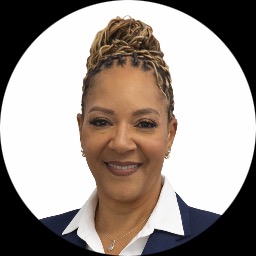
About Tanya
Tanya Smith is a Licensed Mental Health Counselor (LMHC) practicing in Florida with 11 years of clinical experience. She works with adults on concerns such as stress, anxiety, depression, relationship and intimacy issues, addictions, trauma and grief, and self-esteem. Tanya also helps people facing life transitions, parenting questions, and ADHD-related challenges.
Her approach blends Client-Centered Therapy with Cognitive Behavioral Therapy (CBT) and Acceptance and Commitment Therapy (ACT). She focuses on practical steps that clients can use between sessions. Conversations are collaborative and goal-oriented, with attention to what each person wants to change.
Tanya has a background in case management, psychotherapy, trauma care, and substance use treatment. That experience informs how she plans sessions and follows up on progress. She draws on emotionally-focused ideas when relationship patterns are part of the work.
Sessions involve talking through current problems, building skills for coping, and testing new ways of handling difficult situations. She uses mindfulness techniques and values-based strategies to help with motivation and focus. Cognitive tools are used to identify unhelpful thinking and test different perspectives.
Tanya aims to treat clients with dignity and respect, and to keep interactions nonjudgmental. People who want practical support for early-adulthood pressures - like work, study, money, identity, or relationship strain - may find her approach straightforward and action-oriented.
How her approaches guide online work
Acceptance and Commitment Therapy (ACT) helps people notice what matters to them and take small steps toward those values. It is useful for anxiety, avoidance, and feeling stuck. Cognitive Behavioral Therapy (CBT) focuses on identifying unhelpful thoughts and testing new behaviors to reduce symptoms like anxiety and low mood. Client-Centered Therapy emphasizes listening and collaboration, giving the person space to set the pace and goals.Finding the right approach is part of the process. Tanya will work with clients to figure out which methods match their needs and goals. Decisions about techniques and pacing are made together, and she adjusts the plan as progress or new concerns appear.
Confirm the specific session formats before booking, as the biography does not list them. Online sessions can make it easier to fit therapy into a busy day, allow shorter check-ins when schedules are tight, and remove travel time. If camera-free or phone-only check-ins are needed, ask about those possibilities during the matching steps. The focus is on practical ways to make therapy fit everyday life rather than on a single format.
Areas of expertise
Primary focus
Also works with
Additional focus areas
Therapeutic approaches
Experience
11+ years
Listed in
Florida
Languages
English
Frequently asked questions
What kinds of problems does she help with?
She works with stress, anxiety, depression, relationship and intimacy issues, addictions, trauma, grief, self-esteem, ADHD, and related life changes.
What is her general therapy style?
Her style is client-centered and collaborative, using practical techniques from CBT and ACT alongside mindfulness and emotionally-focused ideas.
How long has she been practicing?
She has 11 years of experience in case management, psychotherapy, trauma care, and substance use treatment.
Where is she licensed and practicing?
She is a Florida LMHC and practices in Florida.
Does she offer sessions in other languages?
Sessions are offered in English.
Can international clients work with her?
International clients are not currently accepted.
How are sessions paid for?
Cost varies by location; sessions use a subscription that can be canceled at any time.
How do I begin working with her?
Select the See online therapy options button, complete a short matching questionnaire, and schedule your first session.
Online talk therapy through BetterHelp is for adults aged 18 and over and is not emergency care. If you are in danger, use the emergency numbers. Find someone else by name.