- Addictions
- CBT methods
- Attachment work
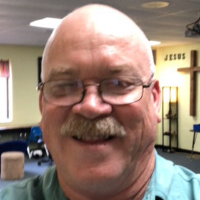
About Philip
Philip Nicholas is a Licensed Professional Counselor (LPC) practicing in Tennessee with four years of clinical experience. He works with adults on issues such as trauma, addiction, anxiety, depression, and the everyday pressures of young adulthood including career and relationship strain.
He uses a mix of practical, evidence-informed approaches to help people manage symptoms and make changes that fit their lives. Sessions often focus on addressing attachment wounds, coping with loss, building self-esteem, and reducing stress. Philip also supports people facing identity or intimacy-related concerns and those navigating parenting or family-of-origin problems.
In sessions he draws on cognitive behavioral strategies to identify unhelpful patterns and on mindfulness skills to reduce reactivity. Attachment-based ideas guide work on relationships and emotional connection. He also offers EMDR-informed methods for people processing traumatic memories when that fits the client's needs.
Philip’s style is straightforward and goal-oriented. He helps clients set clear steps for change and practices skills between meetings. People who are juggling school, early career challenges, or the transition out of structured environments may find the focus on practical coping and relationship repair useful.
He provides services in English and works with adults in Tennessee. If someone is interested in starting, they should follow the provider's intake steps to complete the short questionnaire and arrange an initial session.
Approaches Philip Uses and how they fit online
Philip often blends cognitive behavioral therapy with attachment-based work. Cognitive Behavioral Therapy (CBT) focuses on identifying unhelpful thought and behavior patterns and practicing alternative responses. It can help with anxiety, depression, and stress by building concrete skills for daily life.Attachment-Based Therapy looks at how early relationships shape current patterns. It helps people understand relationship triggers, improve emotional connection, and change interaction styles that cause conflict or distance.
Finding the right approach is a collaborative process. Philip will talk with clients about their goals and preferences, then suggest methods to try. Together they check what works and adjust the focus as therapy continues.
Session formats are not specified in the biography, so confirm current options before booking. Online work can make therapy easier to fit into a busy schedule, allow shorter check-ins when needed, and reduce travel time. It also makes it simpler to continue care during life changes like moving, starting a new job, or shifting school schedules.
Areas of expertise
Primary focus
Also works with
Additional focus areas
Therapeutic approaches
Experience
4+ years
Listed in
Tennessee
Languages
English
Frequently asked questions
What concerns does he help with?
He works with trauma, addiction, anxiety, depression, relationship and intimacy issues, grief, parenting strain, ADHD, and related concerns listed in his profile.
What is his therapeutic style like?
Philip uses client-centered sessions with practical tools. He combines cognitive behavioral techniques, mindfulness, and attachment-focused work to address thoughts, feelings, and relationships.
How much experience does he have?
He has four years of experience as a Licensed Professional Counselor working with adults on a range of mental health and life-transition issues.
Where is he licensed and practicing?
He is a Tennessee LPC and practices with clients in Tennessee.
Which languages are supported?
Sessions are offered in English.
Can international clients work with him?
He does not accept international clients at this time.
How does payment work?
Cost varies by location and sessions use a subscription model that can be canceled at any time.
How do I begin sessions?
Select the See online therapy options button, complete the short matching questionnaire, and schedule a first session.
Online talk therapy through BetterHelp is for adults aged 18 and over and is not emergency care. If you are in danger, use the emergency numbers. Find someone else by name.