- Client-Centered Therapy
- Cognitive Behavioral Therapy
- Trauma-focused work
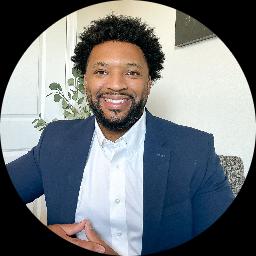
About Jordan
Jordan King is a Licensed Mental Health Counselor (LMHC) and a Licensed Clinical Mental Health Counselor (LCMHC) practicing in Florida with eight years of experience. He works with young adults and others on concerns like stress, anxiety, relationship and family problems, depression, addictions, trauma and grief, and issues tied to identity and life transitions.
Jordan earned a master's degree in Rehabilitation and Mental Health Counseling with a focus in Marriage and Family Therapy from the University of South Florida. He has completed additional training as a Certified Clinical Trauma Professional and is completing training hours in Dialectical Behavioral Therapy. He uses those experiences to help people find practical steps forward.
His approach is conversational and goal-oriented. He leans on client-centered methods and cognitive behavioral techniques to identify unhelpful thoughts and try different ways of responding. Motivational interviewing and narrative ideas are used when people need help clarifying goals or making changes.
Sessions include skills practice for managing strong feelings, strategies for communication, and planning for coping with big life changes. He also brings family systems ideas when relationships are a central concern, and he can address issues connected to adoption, attachment, blended families, fatherhood, and parenting.
Jordan works with a range of relationship and identity issues that often appear in early adulthood. He helps people talk through work and school stress, commitment and intimacy questions, isolation, and feelings of being stuck. To begin, he asks about current goals and what a useful first step would look like.
Therapeutic approaches and working online
Jordan commonly uses Client-Centered Therapy and Cognitive Behavioral Therapy in his work. Client-Centered Therapy focuses on listening and understanding a person's own goals so the session follows their priorities and pace. Cognitive Behavioral Therapy looks at how thoughts influence feelings and behaviors, and it teaches specific skills to test and change unhelpful thinking.He also draws on Dialectical Behavior Therapy ideas when people need tools for emotion regulation and interpersonal effectiveness. DBT skills can help with strong emotions, impulsivity, and relationship conflicts that often come up in early adulthood.
Finding the right fit is part of the process. Jordan prefers to work collaboratively to decide which approaches to try based on a client's goals, needs, and what feels useful in early sessions. This means trying techniques, checking what helps, and adjusting the plan together.
Confirm the current session options before booking so you know the formats he offers. Online sessions can make it easier to fit therapy into a college schedule, a workday, or a busy week. They can also allow shorter check-ins when that suits your routine, or let you avoid travel time so sessions are simpler to attend.
Areas of expertise
Primary focus
Also works with
Additional focus areas
Therapeutic approaches
Experience
8+ years
Listed in
Florida, Utah
Languages
English
Frequently asked questions
What kinds of problems does he address?
He works with stress, anxiety, depression, relationship and family problems, addictions, trauma and grief, and issues common in young adulthood like career stress and identity concerns.
How would he describe his therapy style?
He uses a conversational, goal-oriented style that draws on client-centered work and cognitive behavioral methods to try practical changes.
How much clinical experience does he have?
He has eight years of experience working in mental health settings with adults and young people.
What are his credentials and where is he based?
He is an LMHC and LCMHC licensed in Florida.
Does he work in languages other than English?
Sessions are offered in English.
Can people outside the United States work with him?
He does not accept international clients at this time.
How much do sessions cost?
Cost varies by location and sessions use a subscription that can be canceled at any time.
What do I do to start a first session?
Select the See online therapy options button, complete a short matching questionnaire, and schedule an initial session.
Online talk therapy through BetterHelp is for adults aged 18 and over and is not emergency care. If you are in danger, use the emergency numbers. Find someone else by name.