- CBT techniques
- Mindfulness practice
- Motivational interviewing
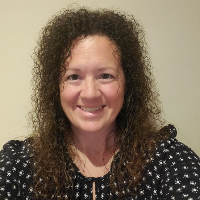
About Rachel
Rachel DiPippo is a Licensed Mental Health Counselor (LMHC) with 22 years of clinical experience based in Rhode Island. She works with adults on concerns such as stress, anxiety, depression, relationship strain, addiction, trauma and abuse, grief, parenting challenges, ADHD, and life transitions. She also addresses issues like body image, codependency, communication problems, and career questions.
Rachel uses a collaborative style where goals are set together with each person. Sessions focus on identifying what drives unwanted thoughts and behaviors. She draws on practical methods to help people change unhelpful patterns and build everyday coping skills.
Her approach often includes Cognitive Behavioral Therapy, Client-Centered Therapy, and Mindfulness Therapy to notice thoughts, test unhelpful beliefs, and develop calmer responses. She also uses motivational interviewing and narrative ideas to clarify values and reshape personal stories.
In sessions she helps people talk through relationship issues, manage anxiety or anger, and work on addictions or eating concerns. She pays attention to how past attachment and abandonment experiences can affect current relationships and self-esteem. Practical tools and brief skill-building are part of the work.
Rachel has experience across many settings over two decades and aims to support people who want clearer goals and usable strategies. To begin she asks people to describe current struggles and what they hope to change, then together they pick ways of working that fit the person and the issue.
How her approaches translate to online work
Client-Centered Therapy focuses on listening and reflecting back what someone says to help them feel understood and decide what matters most. It supports issues like relationship strain, low self-esteem, and grief by keeping the person’s goals central.Cognitive Behavioral Therapy (CBT) looks at the link between thoughts, feelings, and behavior. It helps people test unhelpful beliefs, try small behavior changes, and learn practical coping skills for anxiety, depression, and impulses related to addiction.
Mindfulness Therapy teaches simple attention and breathing practices to reduce reactivity and increase focus. It can be useful for stress, anger management, and staying present when emotions feel overwhelming.
Finding the right fit is a collaborative process. The therapist will work with each person to pick methods that match their goals, preferences, and the problem they want to address. Approaches can be mixed and adjusted as therapy progresses so the work stays relevant.
If you are considering online sessions, confirm the available session formats before booking so you understand how meetings will take place. Online work can make it easier to fit sessions into a busy week, reduce travel time, and allow shorter check-ins when schedules are tight. Ask about format details when you schedule the first appointment.
Areas of expertise
Primary focus
Also works with
Additional focus areas
Therapeutic approaches
Experience
22+ years
Listed in
Rhode Island
Languages
English
Frequently asked questions
What kinds of problems does she help with?
She works with adults on stress, anxiety, depression, relationship and parenting challenges, addiction, trauma and related concerns listed in her profile.
What is her therapeutic style like?
Sessions are collaborative and goal-focused. She uses practical methods to identify unhelpful thoughts and build coping skills.
How much experience does she have?
She has 22 years of clinical experience working in a variety of settings.
What credential and location does she hold?
She is an LMHC licensed in Rhode Island and practices from that state.
Can people who speak other languages work with her?
Sessions are offered in English.
Does she see clients outside the United States?
She does not accept international clients at this time.
How are sessions paid for?
Costs vary by location; sessions use a subscription that can be canceled at any time.
How do I get started with her?
Select the See online therapy options button, complete the short matching questionnaire, and schedule a first session.
Online talk therapy through BetterHelp is for adults aged 18 and over and is not emergency care. If you are in danger, use the emergency numbers. Find someone else by name.