- Attachment-based work
- Mindfulness practice
- Trauma-focused methods
About Maramonie
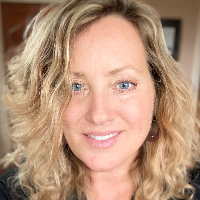
Maramonie King is a Licensed Clinical Mental Health Counselor (LCMHC) practicing in Vermont with eight years of experience. She works with adults on relationship strain, trauma and abuse, depression, anxiety, stress, parenting concerns, and life transitions. She also focuses on issues like self-esteem, grief, eating concerns, anger, and LGBT-related stress.
Her main approaches include attachment-based work, client-centered therapy, mindfulness, and trauma-focused methods. Sessions often look at how past relationships affect current ones, and at communication skills that reduce conflict. She helps people notice unhelpful patterns and practice new ways of relating.
King draws from client-centered principles to keep sessions grounded in the person’s priorities. Mindfulness tools are offered to help manage distress and stay present during difficult moments. Trauma-focused strategies are used for those recovering from abuse or post-traumatic stress symptoms.
She also brings experience with parenting challenges, including blended family issues, pregnancy and childbirth concerns, and co-parenting after separation. Practical skill building is a common part of work with parents, from improving communication to setting boundaries.
Her background includes work with attachment wounds, abandonment feelings, body image struggles, and social anxiety. She has adapted elements of art therapy and animal-assisted techniques for remote work, using creativity to make sessions more interactive. For anyone feeling stuck after school, a breakup, or a big life change, she helps people clarify next steps and build coping skills.
How her approaches translate to online sessions
Attachment-based work looks at patterns in close relationships and how early bonds shape current behavior. Online sessions using attachment ideas often focus on communication habits, trust issues, and repairing ruptures in relationships. Client-centered therapy centers the person’s own priorities and experience, with the therapist offering acceptance and reflective listening to help people make sense of their choices and feelings. Finding the right approach is a collaborative process. The therapist will talk with each person about goals and preferences, try methods that fit those goals, and adjust the plan as needed. That means checking in about what helps and changing course if something isn’t useful. Confirm the session formats before booking since the biography does not list specific options. Online work can make it easier to fit therapy into a busy life by removing travel time and offering a way to meet from work breaks, college schedules, or different parts of Vermont. It also allows shorter check-ins when time is limited and makes it simpler to continue weekly work during life transitions.Areas of expertise
Primary focus
Also works with
Additional focus areas
Therapeutic approaches
Experience
8+ years
Listed in
Vermont
Languages
English
Frequently asked questions
What kinds of problems does she help with?
She works with relationship issues, trauma and abuse, anxiety, depression, parenting concerns, grief, and related stressors including body image and social anxiety.
How would she describe her therapy style?
Her style is client-centered and collaborative. She mixes attachment work, mindfulness, and trauma-focused methods to fit what someone needs.
How many years has she practiced?
She has eight years of clinical experience working with adults on relational and trauma-related concerns.
What are her credentials and where is she based?
She is a Vermont LCMHC and practices in Vermont.
Can I work with her if I live outside the United States?
International clients are not currently accepted. Sessions are offered in English to people located where her practice permits.
What session formats are available?
Confirm current session options before booking, as specific formats are not listed in the biography.
How does payment and cost work?
Cost varies by location and sessions use a subscription model that can be canceled at any time.
What do I do to start a first session?
Select the See online therapy options button, complete the short matching questionnaire, and schedule a first session.
Online talk therapy through BetterHelp is for adults aged 18 and over and is not emergency care. If you are in danger, use the emergency numbers. Find someone else by name.