- Relationships
- Trauma and abuse
- CBT methods
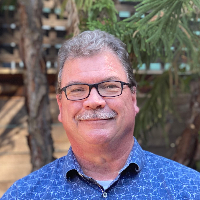
About Kevin
Kevin Bagwell is an LPC, LPCC licensed in Michigan with about 20 years of experience in counseling and therapy. He works with adults on relationship struggles, family conflict, trauma and abuse, depression, anxiety, addictions, grief, parenting concerns, career questions, ADHD, and coping with life changes.
Kevin takes a straightforward, person-focused approach. He listens to what a person brings and uses practical methods from several therapies to address specific problems. Sessions tend to focus on skills, clearer communication, and small changes that make daily life easier.
His background includes work in nonprofits, community mental health, university psychiatric services, and private practice. That range has given him experience with people facing a wide variety of concerns, including trauma, domestic violence, addictive behaviors, and mood challenges.
Kevin draws on Client-Centered methods to create a respectful atmosphere and uses Cognitive Behavioral Therapy when the goal is to change thought and behavior patterns. He also uses Existential and Narrative ideas to help people make sense of difficult life choices and regain a clearer sense of direction.
In practical terms he works with adults on communication problems, parenting stress, fatherhood issues, abandonment and attachment questions, codependency and control struggles. He also helps with eating and food-related issues, anger, and managing the effects of family problems. He combines experience with concrete techniques so clients can try small steps between sessions.
How his approaches shape online work
Kevin commonly uses Client-Centered Therapy and Cognitive Behavioral Therapy in his work. Client-Centered Therapy focuses on listening closely and responding to what the person brings, helping them feel heard and guiding whatever goals they set. Cognitive Behavioral Therapy looks at the links between thoughts, feelings and actions and teaches practical skills to change unhelpful patterns.Finding the right approach is part of the process. Kevin will work together with the client to pick methods that match their needs, goals and preferences. That means trying ideas, checking what helps, and adjusting the plan over time rather than assuming one way fits everyone.
Session formats are not specified in the biography, so confirm current options before booking. Online sessions can make it easier to fit therapy into a busy schedule, allow shorter check-ins when needed, and remove travel time. They also let people choose whether to use video or another format based on what works best for day-to-day life.
Areas of expertise
Primary focus
Also works with
Additional focus areas
Therapeutic approaches
Experience
20+ years
Listed in
Michigan, California
Languages
English
Frequently asked questions
What kinds of problems does he help with?
He works with adults on relationship and family issues, trauma and abuse, depression, anxiety, addictions, grief, parenting and career concerns.
What style of therapy does he use?
Kevin uses client-centered listening alongside cognitive behavioral, existential and narrative approaches to address thoughts, behavior and personal meaning.
How much experience does he have?
He has about 20 years of experience working in counseling and therapy across nonprofits, community mental health, university psychiatric services and private practice.
Where is he licensed and based?
He holds LPC and LPCC credentials with Michigan licensing and is based in California for practice location purposes.
Which languages are supported?
Sessions are offered in English.
Can people from other countries work with him?
He does not accept international clients at this time.
How are fees and payment handled?
Cost varies with location and sessions use a subscription model that can be canceled at any time.
How do I begin a first session?
Choose the See online therapy options button, complete the short matching questionnaire, and schedule your first session.
Online talk therapy through BetterHelp is for adults aged 18 and over and is not emergency care. If you are in danger, use the emergency numbers. Find someone else by name.