- Stress and anxiety
- Relationships and intimacy
- CBT and mindfulness
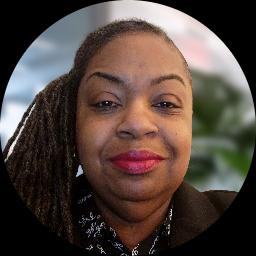
About Jamesetter
Jamesetter Credell is a Licensed Clinical Mental Health Counselor (LCMHC) in North Carolina with 15 years of experience. She has supported people facing depression, anxiety, relationship strain, parenting challenges, career uncertainty, ADHD, and recovery from physical or emotional abuse.
She uses straightforward, evidence-based approaches in sessions. That includes cognitive-behavioral techniques, mindfulness practices, and attachment-focused work. Conversations focus on identifying problems, building skills, and developing practical steps to cope day to day.
Jamesetter has worked in roles as a therapist and care manager. That background means she is used to coordinating care and helping people find resources when needed. She has experience with adults, adolescents, children and group work, and has helped with grief, mood disorders, and trauma-related concerns.
Her style centers on respect and clear professional boundaries. Sessions are focused on the client’s concerns and on planning concrete changes rather than sharing the therapist’s personal life. Phone contact outside sessions is limited to what is necessary for care coordination.
People who come to her often want practical strategies for stress, help with relationships, or guidance managing mood and attention differences. She works with those issues and related topics such as sleep problems, anger, intimacy concerns, and caregiver stress. If you are considering care, confirm current session options before booking.
How her approaches work for online sessions
Acceptance and Commitment Therapy (ACT) helps people clarify what matters most and take small, committed steps toward those values. In online sessions this can mean setting practical goals and checking progress between meetings. Cognitive Behavioral Therapy (CBT) focuses on identifying unhelpful thoughts and testing new behaviors. It often uses short, structured exercises and homework to change patterns that maintain anxiety or low mood.Finding the right approach usually takes some trial and conversation. The therapist will discuss goals, preferences, and what feels manageable, then suggest using one method or combining elements from several. That decision is collaborative and can shift as needs change.
The practical benefits of online work include fitting sessions into a busy week and reducing travel time. Online meetings can make it easier to keep short check-ins during a job break or to use video for skills practice and screen sharing for worksheets. Confirm the current session options before booking so you know which formats are offered and how they can fit into your routine.
Areas of expertise
Primary focus
Also works with
Additional focus areas
Therapeutic approaches
Experience
15+ years
Listed in
North Carolina
Languages
English
Frequently asked questions
What kinds of problems does she help with?
She works with depression, anxiety, relationship trouble, ADHD, grief, trauma, sleep problems, parenting strain, and related concerns.
What is her therapy style like?
She uses practical, evidence-based methods such as cognitive-behavioral techniques, mindfulness, and attachment-informed work to build skills and plans for everyday life.
How much experience does she have?
She has 15 years of experience serving as a therapist and care manager across individual and group settings.
What are her credentials and where does she practice?
She is an LCMHC - Licensed Clinical Mental Health Counselor - practicing in North Carolina.
Can sessions be conducted in other languages?
Sessions are offered in English.
Does she work with international clients?
She does not accept international clients at this time.
How much do sessions cost?
Cost varies by location; sessions use a subscription model that can be canceled at any time.
How do I begin working with her?
Click the See online therapy options button, complete a short matching questionnaire, and schedule your first session.
Online talk therapy through BetterHelp is for adults aged 18 and over and is not emergency care. If you are in danger, use the emergency numbers. Find someone else by name.