- ACT techniques
- CBT strategies
- Mindfulness tools
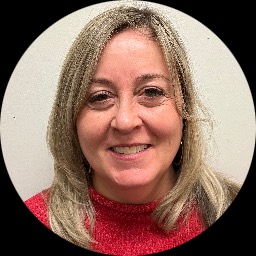
About Brooke
Brooke Ayoub is a Licensed Mental Health Counselor (LMHC) based in New York with five years of clinical experience. She works with adults facing stress, anxiety, relationship problems, trauma and abuse, depression, bipolar challenges, low self-esteem, parenting strains, and life transitions. Brooke also supports people dealing with career questions and coaching around re-entering the workforce.
Brooke draws on several therapy approaches to guide sessions in straightforward, practical ways. She uses acceptance and commitment ideas alongside cognitive behavioral techniques to help people notice what matters and take small action toward it. Client-centered work guides the pace of sessions so people can shape goals that feel realistic.
Her background includes work in mental health settings across Erie and Niagara County, where she supported people with a range of diagnoses and crisis needs. She has training related to Eye Movement Desensitization and Reprocessing and holds a master’s degree in Vocational Rehabilitation Counseling. Brooke has experience helping people with mental health diagnoses as they enter or return to work.
She also brings practices from yoga, ayurveda, and mindfulness meditation into sessions when clients want those tools. Sessions focus on building concrete skills - like managing anxiety, improving communication, and planning next steps for career or family goals. Brooke encourages small, manageable changes rather than sweeping promises.
To begin, prospective clients complete a short matching questionnaire and schedule a first session. Payment uses a subscription model that can be canceled at any time. Sessions are conducted in English and Brooke does not take international clients.
How her approaches translate to online sessions
Acceptance and Commitment Therapy (ACT) focuses on clarifying values and taking small actions toward them while learning to sit with uncomfortable thoughts. It can help with anxiety, feeling stuck after school or work changes, and confusion about life direction. Cognitive Behavioral Therapy (CBT) looks at how thoughts, feelings, and behaviors interact and teaches practical skills to reduce anxiety and improve mood. CBT is useful for managing worry, low mood, and setting achievable goals. Client-Centered Therapy prioritizes the person’s own goals and timing, with the therapist offering reflective listening and gentle guidance to help people get clearer about what they want.Choosing the right approach is often part of the first few sessions. Brooke will work collaboratively to identify which methods fit the client’s needs, goals, and comfort. That may mean combining techniques from ACT, CBT, and client-centered work so sessions feel focused and practical.
The main practical benefit of online work is fitting therapy into a busy life. Confirm the session formats Brooke currently offers before booking, since the biography does not list them. Online appointments can make it easier to schedule sessions around school, work, or caregiving, allow shorter or check-in style meetings when needed, and remove travel time so progress can fit into a weekday or evening routine. Licensed professionals can adapt exercises used in ACT and CBT to an online setting, including mindfulness practices and homework between sessions.
Areas of expertise
Primary focus
Also works with
Additional focus areas
Therapeutic approaches
Experience
5+ years
Listed in
New York
Languages
English
Frequently asked questions
What kinds of problems does she work with?
She works with stress, anxiety, relationship and family concerns, trauma and abuse, depression and bipolar challenges, self-esteem issues, parenting stress, and career questions.
How would she describe her therapy style?
Her approach blends client-centered conversation with practical methods from ACT and CBT, plus mindfulness techniques and occasional yoga-informed exercises.
How much clinical experience does she have?
She has five years of professional experience working in mental health settings in New York, including crisis intervention and work with a range of diagnoses.
What credential does she hold and where is she based?
She is a Licensed Mental Health Counselor (LMHC) licensed in New York and practices from New York.
Are sessions available in other languages or internationally?
Sessions are offered in English. She is not accepting international clients.
What session formats does she offer?
Please confirm current session options before booking, as specific formats are not listed in the biography.
How does payment work?
Sessions use a subscription model and that subscription can be canceled at any time; fees vary with location.
How do I start working with her?
Click the See online therapy options button, complete a short matching questionnaire, and schedule your first session.
Online talk therapy through BetterHelp is for adults aged 18 and over and is not emergency care. If you are in danger, use the emergency numbers. Find someone else by name.