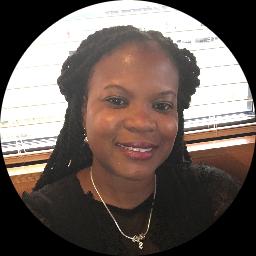
- Addictions support
- Self esteem work
- Stress and anxiety
About Selma
Selma Smith is a Licensed Clinical Mental Health Counselor (LCMHC) practicing in North Carolina with 11 years of professional experience. She works with concerns such as addictions, motivation, self-esteem, confidence, and coping with life changes. She also supports people dealing with compassion fatigue, stress, anxiety, trauma and abuse, grief, sleep problems, and mood conditions including bipolar disorder and depression.
Her approach is direct and practical. She adapts conversations and treatment plans to the needs a person brings to sessions. That may include short-term coaching-style work or longer-term therapeutic support depending on goals and progress.
Selma draws on evidence-informed techniques to address habit change, substance concerns, and motivation. She helps people break problems into manageable steps and build skills for handling stress, managing emotions, and improving sleep and daily routines.
She also helps people facing family and parenting strains, adoption and foster care issues, caregiver stress, and communication or control struggles. Additional areas she has worked with include dissociation, domestic violence, drug and alcohol addiction, and first responder issues.
Sessions focus on practical strategies, clearer decision-making, and steady progress toward goals. People typically leave sessions with specific next steps to practice between meetings. To begin, clients follow the site's matching and scheduling process to set up a first appointment.
How evidence-based techniques translate to online sessions
Many clinicians use practical, evidence-based methods such as cognitive-behavioral techniques and motivational approaches. Cognitive-behavioral techniques focus on spotting unhelpful thoughts and changing behaviors that keep problems going; they are often used for anxiety, depression, sleep problems, and managing mood swings. Motivational approaches concentrate on building readiness for change, increasing motivation for recovery from addiction, and sustaining effort toward personal goals.Finding the right mix of methods is part of the work. A therapist will discuss goals, try approaches that fit the issue, and adjust plans based on what helps most. This is a collaborative process where the client and therapist decide which techniques to use and how to measure progress.
The original profile does not list specific online formats, so confirm available session types before booking. Online therapy can make it easier to fit meetings around class schedules, work shifts, or caregiving responsibilities. It can also let people choose shorter check-ins or sessions without needing travel time. Ask about format options during the matching step so sessions match daily life and practical needs.
Areas of expertise
Primary focus
Also works with
Additional focus areas
Experience
11+ years
Listed in
North Carolina
Languages
English
Frequently asked questions
What kinds of problems does she help with?
She works with addictions, self-esteem, stress, anxiety, grief, trauma and mood concerns including depression and bipolar disorder.
What is her therapy style like?
Her style is practical and evidence-informed, focusing on clear steps, skill building, and problem solving rather than long theoretical discussion.
How much experience does she have?
She has 11 years of professional work experience as a clinician in North Carolina.
What credential does she hold and where is she based?
She holds the LCMHC credential and practices in North Carolina.
Does she work in languages other than English or with international clients?
Sessions are offered in English and she does not accept international clients at this time.
What session formats are available?
The original biography does not list specific session formats; please confirm current session options before booking.
How does cost work for sessions?
Cost varies with location; sessions use a subscription that can be canceled at any time.
How do I get started if I want to meet with her?
Select the See online therapy options button, complete the short matching questionnaire, and schedule a first session.
Online talk therapy through BetterHelp is for adults aged 18 and over and is not emergency care. If you are in danger, use the emergency numbers. Find someone else by name.