- Anxiety and depression
- Mindfulness based work
- Trauma informed care
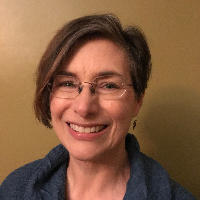
About Patricia
Dr. Patricia Frueh is a Michigan psychologist (MI Psychologist 6301008874) with 28 years of experience as a psychotherapist. She works with adults on problems such as anxiety, depression, stress, trauma and abuse, relationship and family concerns, parenting strain, substance issues, eating and sleeping problems, and questions about identity and life direction. Dr. Frueh also lists work related to bipolar mood concerns, panic, social anxiety, and grief.
She uses practical, research-informed tools in conversation with clients. That often includes cognitive behavioral techniques and mindfulness-based practices. Acceptance and Commitment Therapy and Dialectical Behavior Therapy approaches appear in her work when helpful. She also draws on solution-focused methods to set clear goals together.
Sessions are described as collaborative and straightforward. Expect a focus on skills you can use between meetings, such as noticing unhelpful thoughts, building small behavioral changes, and practicing attention or grounding exercises. She pays attention to family of origin issues, blended family dynamics, communication problems, and challenges faced by people on the autism spectrum.
Dr. Frueh highlights strengths and resilience alongside the difficulties you bring. She has experience helping people after sexual assault and other forms of trauma, and with forgiveness, guilt, shame, and isolation. Her language is direct and practical, aimed at people managing early-adult pressures and bigger life transitions.
To begin, clients complete a short matching questionnaire and schedule a first session. Cost varies with location and uses a subscription model that can be canceled at any time.
How her approaches fit into online work
Dr. Frueh commonly uses Acceptance and Commitment Therapy (ACT) and Cognitive Behavioral Therapy (CBT) in her work. ACT focuses on clarifying values and learning to act toward them even when difficult thoughts or feelings appear. It can help with anxiety, avoidance, and feeling stuck. CBT looks at connections between thoughts, feelings, and behavior and teaches concrete tools to reduce anxiety and depressive patterns.Finding the right approach is part of the process. She treats approach selection as collaborative, checking goals and preferences before trying techniques. Clients and therapist adjust methods together based on what helps most in real life.
Session formats are not specified in the biography, so confirm current online options before booking. Online work can make it easier to fit sessions into busy days, let someone join from a quieter location, or allow for shorter check-ins when schedules are tight. The focus remains on practical skills you can use between meetings and on shaping plans that fit day-to-day life.
Areas of expertise
Primary focus
Also works with
Additional focus areas
Therapeutic approaches
Experience
28+ years
Listed in
Michigan
Languages
English
Frequently asked questions
What kinds of problems does she help with?
She works with stress, anxiety, depression, trauma and abuse, relationship and family concerns, parenting issues, addictions, eating and sleep problems, and coping with life changes.
What is her therapy style like?
Her approach combines practical skills with reflective conversation, using CBT techniques, mindfulness practices, ACT and DBT interventions, and solution-focused steps when useful.
How much clinical experience does she have?
She has 28 years of experience working as a psychotherapist and psychologist in Michigan.
What are her credentials and where is she based?
She is listed as MI Psychologist 6301008874 and practices in Michigan.
Does she offer sessions in languages other than English?
Sessions are offered in English.
Can international clients work with her?
She is not accepting international clients at this time.
How does payment and cost work?
Cost varies with location and sessions use a subscription that can be canceled at any time.
How do I get started with her?
Use the See online therapy options button, complete a short matching questionnaire, and then schedule your first session.
Online talk therapy through BetterHelp is for adults aged 18 and over and is not emergency care. If you are in danger, use the emergency numbers. Find someone else by name.