- CBT methods
- DBT skills
- Solution-focused work
About Marguerite
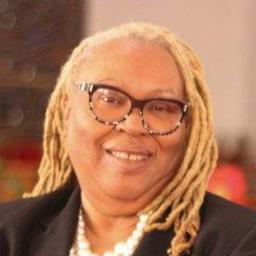
Dr. Marguerite Allen is an NC LCMHC - Licensed Clinical Mental Health Counselor with 25 years of experience. She works with adults on common early-adulthood pressures including stress, anxiety, career questions, relationship strain, and feeling stuck after life changes. She also addresses mood disorders, addiction, grief, and self-esteem concerns.
Dr. Allen uses straightforward, practical methods in sessions. She draws from client-centered ideas to listen and prioritize what matters to each person. She also uses cognitive behavioral techniques to help people notice unhelpful thoughts and shift patterns that cause distress.
Her background includes a Bachelor of Arts in Behavioral Studies, a Master of Science in Psychology, a Master of Divinity in Ministry, and a Doctor of Ministry in Christian Counseling. Those studies inform how she blends psychological and value-based conversations when clients want that element in their work.
In therapy she often combines skills-based approaches like CBT and Dialectical Behavior Therapy with motivational interviewing and solution-focused work. That mix lets sessions cover practical coping skills, emotion regulation, and short-term goals for change.
People meeting her can expect clear suggestions, practice exercises, and a focus on everyday steps. Sessions aim to address things like panic attacks, impulsivity, codependency, dissociation, and cultural or multicultural concerns. She works in English and practices in North Carolina.
How her approaches translate to online work
Client-Centered Therapy focuses on listening and making the session about the person's priorities. In practice this means the therapist reflects concerns, asks about values, and helps set goals that feel important to the client. Cognitive Behavioral Therapy, or CBT, looks at the link between thoughts, feelings, and behavior. Online CBT often includes homework such as tracking thoughts, testing new behaviors, and practicing skills between sessions to reduce anxiety or depressive patterns. Dialectical Behavior Therapy, or DBT, teaches concrete skills for managing intense emotions and improving relationships. When used online, DBT skill training can be adapted into brief exercises and real-life practice tasks that fit into a busy schedule. Finding the right approach is part of the work. The therapist will collaborate with the client to decide which methods fit their goals, needs, and preferences. That collaborative process may lead to using one method more or combining several approaches over time. The original profile does not list specific session formats, so confirm available options before booking. Online work can make it easier to fit therapy into school, work, or odd hours and can support shorter check-ins or regular skill practice between commitments.Areas of expertise
Also works with
Additional focus areas
Therapeutic approaches
Experience
25+ years
Listed in
North Carolina
Languages
English
Frequently asked questions
What kinds of problems does she help with?
She works with stress, anxiety, depression, grief, mood and addiction concerns, plus relationship and career stressors.
How does she approach therapy?
Her style blends client-centered listening with CBT, DBT, motivational interviewing, and solution-focused techniques to build practical skills and short-term goals.
How many years has she been practicing?
She has 25 years of experience as a mental health counselor.
What credential and region should I know about?
She is an NC LCMHC - Licensed Clinical Mental Health Counselor practicing in North Carolina.
Can I see her if I live outside the United States?
She does not accept international clients at this time; sessions are offered in English.
What session formats are available?
The original biography does not list specific session formats; please confirm current session options before booking.
How much do sessions cost?
Cost varies with location and sessions use a subscription that can be canceled at any time.
How do I get started with her?
Select the See online therapy options button, complete a short matching questionnaire, and schedule a first session.
Online talk therapy through BetterHelp is for adults aged 18 and over and is not emergency care. If you are in danger, use the emergency numbers. Find someone else by name.