- Attachment-based work
- Cognitive behavioural tools
- Mindfulness practices
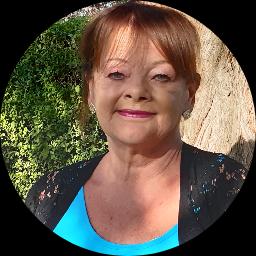
About Linda
Linda Coggan is a BACP therapist in the United Kingdom with 18 years of practice. She works with common early-adult pressures such as stress, anxiety, relationships and coping with grief and loss. She also supports people facing sleep and eating difficulties, parenting stress, anger, low self-esteem, and mood changes.
Linda uses approachable, conversational methods rather than clinical language. She encourages people to talk through what is worrying them and to notice patterns that keep problems going. She draws on attachment-based ideas to look at how earlier relationships affect current ones. She also uses cognitive behavioural techniques to spot and test unhelpful thoughts. Mindfulness strategies are offered to help manage strong feelings and improve focus.
Her work often looks at family and communication problems, including blended families and fatherhood issues. She also addresses attachment and abandonment concerns, codependency, control and isolation. Trauma and abuse, and related trauma-focused work, are part of her practice for people who need that focus.
Sessions are practical and paced to the individual. Linda helps set small steps and clearer goals, then reviews progress together. She pays attention to everyday pressures like work, study and money so talking feels relevant to day-to-day life.
People wanting to start are invited to complete a short matching questionnaire and schedule a first session. The subscription-based sessions can be cancelled at any time and fees vary by location. International clients are not accepted; sessions are in English.
How her approaches translate to online work
Attachment-based work focuses on how early relationships shape present connections. Online sessions use this approach to map patterns in close relationships and to build more reliable ways of relating. Cognitive behavioural therapy looks at the links between thoughts, feelings and actions. In remote sessions this often involves setting short experiments and practical homework to try between meetings. Mindfulness teaches simple attention skills to reduce reactivity and improve focus; it is practised in-session and as brief daily exercises. Choosing the best approach is part of the work. The therapist will collaborate with the client to decide which methods suit their goals and preferences. That plan can be reviewed and changed as progress unfolds. Confirm which session formats are offered before booking because the biography does not list them. Online work can make it easier to fit sessions around study, shifts or travel, and can reduce time spent commuting. It also allows shorter check-ins when schedules require a brief conversation rather than a full session. Registered professionals can adapt exercises, written worksheets and mindfulness practices to work in remote meetings so the therapy links to everyday life.Areas of expertise
Primary focus
Also works with
Additional focus areas
Therapeutic approaches
Experience
18+ years
Listed in
United Kingdom
Languages
English
Frequently asked questions
What concerns does she help with?
She works with stress, anxiety, relationship issues, grief and coping with life changes, along with eating, sleeping and mood problems.
How would she approach therapy?
She uses attachment-based ideas, client-centred listening, CBT and mindfulness to help people understand patterns and try new ways of coping.
How much experience does she have?
She has 18 years of professional experience working with a wide range of emotional and relationship concerns.
What professional credential does she hold and where is she based?
She is a BACP therapist and practices in the United Kingdom as a registered member MBACP.
Can she work with people who do not live in the UK?
Sessions are offered in English and she does not accept international clients at this time.
What session formats are available?
Confirm current session options before booking as formats are not specified in the biography.
How much do sessions cost?
Cost varies by location and sessions use a subscription that can be cancelled at any time.
How do I begin if I want to try therapy with her?
Select the See online therapy options button, complete a short matching questionnaire, and then schedule a first session.
Online talk therapy through BetterHelp is for adults aged 18 and over and is not emergency care. If you are in danger, use the emergency numbers. Find someone else by name.