- Stress and anxiety
- Relationship struggles
- CBT and ACT methods
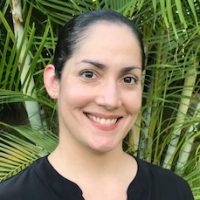
About Jennifer
Jennifer Dorado is a Florida LMHC - Licensed Mental Health Counselor with 17 years of clinical experience. She works with adults facing stress, anxiety, depression, trauma and abuse, addiction concerns, relationship and family problems, grief, anger, low self-esteem, ADHD and life changes.
Jennifer uses practical, talk-based work to help people find clearer next steps. She draws on Cognitive Behavioral Therapy and Acceptance and Commitment Therapy ideas to spot patterns that keep problems stuck. She also uses client-centered listening and motivational interviewing techniques to support change.
In a session she helps people name what is getting in the way and test small, realistic changes. That might mean looking at thoughts and behaviors, practicing focused awareness, or trying a short behavioral experiment between sessions. She keeps language straightforward so people know what to try next.
Her background includes a Bachelor of Arts in Psychology from Florida International University and a Master of Arts in Counseling Psychology from Trinity International University. Over 17 years she has worked with a range of concerns such as substance use, family of origin issues, codependency, and attachment difficulties.
People often come when they feel stuck after a breakup, a job change, or a major life stress. Jennifer helps people develop coping skills, set manageable goals, and rebuild routines that reduce overwhelm. The focus is on practical steps people can use in daily life.
How therapeutic approaches translate to online work
Acceptance and Commitment Therapy (ACT) focuses on noticing unhelpful thoughts and making values-based choices. It can help with anxiety, depression, and life transitions by shifting what someone does next rather than trying to eliminate every difficult feeling. Cognitive Behavioral Therapy (CBT) looks at links between thoughts, feelings, and behaviors. It is useful for anxiety, mood difficulties, and habit change through practical exercises and short experiments to test new ways of coping.Choosing an approach is a shared process. The therapist will discuss your concerns and try methods that fit your goals. Together you'll decide which techniques to keep, adjust, or replace as work progresses, so the plan evolves from what actually helps you.
Confirm current session options before booking so you know which online formats she offers. Online work can make it easier to fit sessions around school, work, or moveable schedules, and it can allow shorter check-ins when time is limited. Many people find remote sessions help them practice tools in everyday settings and keep therapy consistent during busy life phases.
Areas of expertise
Primary focus
Also works with
Additional focus areas
Therapeutic approaches
Experience
17+ years
Listed in
Florida
Languages
English
Frequently asked questions
What concerns does she work with most?
She works with stress, anxiety, depression, trauma and abuse, addictions, relationship and family problems, grief, anger, low self-esteem, ADHD and related life changes.
How would she describe her therapeutic style?
Her style is client-centered and practical. She focuses on clear steps and tools people can try between sessions.
How long has she been practicing?
She has 17 years of experience working as a counselor with community clients.
What credential does she hold and where is she based?
She is an LMHC - Licensed Mental Health Counselor in Florida.
Can non-US residents work with her?
Sessions are offered in English and she is not accepting international clients at this time.
What session formats are available?
Confirm current session options before booking to know which formats are offered for appointments.
How does payment work?
Cost varies with location; sessions use a subscription that can be canceled at any time.
How do I begin working with her?
Select the See online therapy options button, complete a short matching questionnaire, and schedule a first session.
Online talk therapy through BetterHelp is for adults aged 18 and over and is not emergency care. If you are in danger, use the emergency numbers. Find someone else by name.