- Stress and anxiety
- LGBT identity support
- Depression and grief
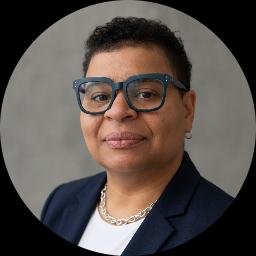
About Hope
Hope Striving is an Ohio LPCC - Licensed Professional Clinical Counselor with 16 years of clinical experience. They work with people dealing with stress, anxiety, depression, grief, ADHD, and LGBTQ concerns. Hope helps young adults facing identity, purpose, and life-transition challenges as part of a broader practice that also includes older adults.
Hope uses person-centered, trauma-informed methods and draws on evidence-based therapeutic techniques to guide sessions. Conversations focus on practical coping skills, clearer communication, and making small changes that add up. Sessions often include talking through patterns, practicing new responses, and planning steps to reduce overwhelm.
They have substantial experience supporting people with panic attacks, mood disorders, obsessive and compulsive behaviors, and gender dysphoria. Hope also works with issues such as chronic pain or illness, codependency, control struggles, and isolation. The approach aims to help people strengthen problem-solving and regain a sense of direction.
Hope is aware of the distinct pressures young adults face - leaving home, starting work or school, money worries, and comparing oneself to others. In sessions they help clients unpack those pressures and set realistic, short-term goals to move forward. Hope tailors conversations to what each person says they need and values practical steps.
They practice in Ohio and offer services in English. For people who want to start, the process begins by completing a brief matching questionnaire and scheduling a first session.
How evidence-based approaches translate to online sessions
Hope describes their work as person-centered and trauma-informed and uses evidence-based therapeutic techniques to support change. Two common techniques used in this framework are skills-based coping work and trauma-informed processing. Skills-based coping work teaches practical strategies for managing anxiety, panic, and ADHD-related overwhelm, such as grounding exercises, brief behavioral experiments, and structured planning. Trauma-informed processing focuses on pacing, stabilizing reactions, and naming experiences so trauma responses feel more understandable and manageable.Finding the right approach is part of the work. Hope will collaborate with each person to test what helps most, adjust techniques over time, and set short-term goals that fit day-to-day life. That means trying a method, checking how it lands, and changing course if needed so sessions remain useful and relevant.
The specific session formats available with Hope are not listed here, so confirm current options before booking. Online work can make it easier to fit therapy into a busy schedule, shorten commute time, and allow for quicker check-ins between commitments. Some formats also let people choose a session length or use audio-only if video is difficult, which can help on days when energy or bandwidth is limited.
Areas of expertise
Primary focus
Additional focus areas
Experience
16+ years
Listed in
Ohio
Languages
English
Frequently asked questions
What kinds of concerns does Hope focus on?
Hope works with stress, anxiety, depression, grief, ADHD, and LGBTQ concerns, plus related issues like isolation, communication problems, and life transitions.
What is Hope's therapeutic style?
Hope uses a person-centered, trauma-informed approach and draws on evidence-based techniques to build coping skills and improve communication.
How much experience does this counselor have?
Hope has 16 years of experience working with adults across a range of challenges, including panic, mood disorders, and obsessive-compulsive behaviors.
What are Hope's credentials and where are they based?
Hope holds the credential LPCC and practices in Ohio as an Ohio LPCC.
Are sessions available in other languages or internationally?
Sessions are offered in English. International clients are not currently accepted.
What session formats does Hope offer?
Current session formats are not specified here; please confirm available session options before booking.
How does payment and cost work?
Cost varies with location; sessions use a subscription model that can be canceled at any time.
How do I get started with Hope?
Select the See online therapy options button, complete a short matching questionnaire, and schedule your first session.
Online talk therapy through BetterHelp is for adults aged 18 and over and is not emergency care. If you are in danger, use the emergency numbers. Find someone else by name.