- Client-Centered Therapy
- Cognitive Behavioral Therapy
- Relationship issues
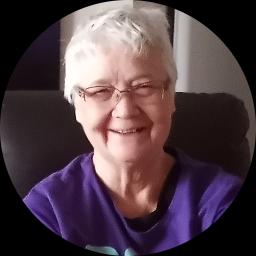
About Darlene
Dr. Darlene Hopkins is a Licensed Clinical Mental Health Counselor (LCMHC) in North Carolina with 43 years of experience. She focuses on stress, anxiety, relationship difficulties, trauma and abuse, self-esteem, and depression. She describes counseling as a place to talk, to clarify what feels stuck, and to find practical next steps.
Hopkins listens first and teaches skills alongside conversation. Sessions are grounded in Client-Centered Therapy and Cognitive Behavioral Therapy, so clients can expect time to reflect and time to practice new patterns. She frames work as repairing connections, settling conflicts, and finding hope for forward steps.
Her background spans decades of practice supporting people through divorce, separation, domestic violence, addiction, and chronic illness. She also addresses attachment concerns, avoidant or dependent personality patterns, communication problems, body image, and dissociation. That range means she is used to helping clients with both immediate stress and longer-term difficulties.
Her style favors clear, direct conversation over abstract theory. She will listen, point out patterns, and teach tools that can be used between sessions. The approach is practical: talk through the problem, try a different behavior, notice what changes, and adjust.
For young adults facing transitions like leaving home, starting work, relationship uncertainty, or feeling behind, Hopkins offers straightforward guidance. She asks clients to bring their goals and concerns, and works with them to identify the next manageable steps.
To begin, the usual process is to complete a short matching questionnaire and schedule a first session. That first meeting is used to clarify priorities and choose approaches that fit each person's needs.
How her approaches can work for online sessions
Client-Centered Therapy focuses on listening, reflecting what a person says, and encouraging them to find their own answers. It helps when someone needs space to talk through decisions, relationships, or confusing feelings. Cognitive Behavioral Therapy (CBT) looks at thoughts and behaviors and teaches practical exercises to shift both. CBT is useful for anxiety, depression, and stress when concrete skills can change daily patterns.Finding the right approach is part of the work together. The therapist will review goals, try methods, and adjust based on what helps. That process is collaborative: the client’s feedback guides which techniques are used and how sessions are structured.
The original biography does not list specific session formats, so confirm available options before booking. Online sessions can make it easier to fit therapy into a busy schedule, allow shorter check-ins when needed, and remove travel time. They can also make it simpler to attend from a quieter location or to use a phone instead of video when that suits someone better. Licensed professionals and therapists will help tailor session length and focus so work fits around school, work, and other commitments.
Areas of expertise
Primary focus
Additional focus areas
Therapeutic approaches
Experience
43+ years
Listed in
North Carolina
Languages
English
Frequently asked questions
What kinds of concerns does she work with?
She works with stress, anxiety, relationship problems, trauma and abuse, self-esteem issues, and depression, plus related concerns like attachment, communication problems, and body image.
How does she approach therapy?
Her approach mixes Client-Centered Therapy and Cognitive Behavioral Therapy. That means she listens closely, reflects what she hears, and helps people try practical changes between sessions.
How much experience does she have?
She has 43 years of clinical experience working with a wide range of personal and relationship issues.
What are her credentials and where is she based?
She holds the LCMHC credential and practices in North Carolina.
Does she offer sessions in other languages or to international clients?
Sessions are offered in English and she is not currently accepting international clients.
What session formats are available?
The original biography does not specify session formats. Please confirm current session options before booking.
How does payment work?
Cost varies with location and sessions use a subscription that can be canceled at any time.
What should I do to get started?
Select the See online therapy options button, complete a short matching questionnaire, and schedule a first session.
Online talk therapy through BetterHelp is for adults aged 18 and over and is not emergency care. If you are in danger, use the emergency numbers. Find someone else by name.