- Anxiety and depression
- Drug and alcohol help
- CBT DBT ACT approaches
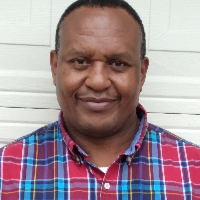
About Peter
Peter Mburu is a Licensed Professional Counselor (LPC) in Texas with seven years of clinical experience. He works with young adults and other adults on issues such as anxiety, depression, addiction, relationship strain, grief, and stress. He also supports people facing trauma, adjustment after major life changes, and concerns around identity and culture.
Peter helps people develop concrete coping skills they can use day to day. He draws on practical methods like cognitive behavioral techniques and motivational interviewing to set clear goals and measure progress. Sessions tend to focus on specific problems and on strategies that can be tried between meetings.
He has experience supporting people with substance use concerns and early-onset psychosis, and he has worked with international students and refugees. His background includes seminary training and work with people navigating serious medical conditions. These experiences inform a straightforward, problem-focused approach rather than lengthy theory discussions.
Peter speaks English, Kikuyu, and Swahili. He practises in Texas and has worked in multiple US states. He aims to help clients build coping skills, manage symptoms, and make practical changes that fit into everyday life.
People who choose to work with him can expect collaborative sessions that focus on measurable steps and real-world tools. He commonly uses techniques from Acceptance and Commitment Therapy, Cognitive Behavioral Therapy, Dialectical Behavior Therapy, and Motivational Interviewing to address mood, anxiety, and substance-related concerns.
How Peter uses evidence-based approaches online
Acceptance and Commitment Therapy (ACT) focuses on helping people notice their thoughts and values, then take actions that matter despite hard feelings. ACT can be useful for anxiety, low motivation, and managing life transitions. Cognitive Behavioral Therapy (CBT) breaks problems into patterns of thoughts, feelings, and behaviors, and teaches practical skills to change unhelpful patterns. CBT is commonly used for anxiety, depression, and sleep problems. Dialectical Behavior Therapy (DBT) offers skills for emotion regulation, distress tolerance, and interpersonal effectiveness and can help with intense emotions and relationship problems.Finding the right approach is part of the work together. The therapist will help you pick methods based on your goals, preferences, and what you want to change. Sessions are collaborative and may combine techniques from these models to match your needs.
The biography does not list specific session formats, so confirm current online options before booking. Online sessions can make it easier to fit counseling into busy schedules, reduce travel time, and allow for shorter check-ins when needed. They also let you practice skills in the settings where problems occur, for example discussing sleep routines or job stress as they happen in daily life.
Areas of expertise
Primary focus
Also works with
Additional focus areas
Therapeutic approaches
Experience
7+ years
Listed in
Texas
Languages
English, Kikuyu, Swahili
Frequently asked questions
What kinds of problems does he help with?
Pete helps people with stress, anxiety, depression, substance use, relationship strain, trauma, grief, and young adult issues such as leaving home and career transitions.
How would he describe his therapy style?
He uses practical, goal-focused methods that emphasize skills you can use between sessions. Work is collaborative and oriented toward measurable change.
How much clinical experience does he have?
He has seven years of counseling experience and several years working specifically with adults experiencing early-onset psychosis and substance use concerns.
What credentials and location are listed?
He is a Licensed Professional Counselor (LPC) in Texas and practices from Texas.
Which languages are available for sessions?
Sessions are offered in English, Kikuyu, and Swahili.
Can people outside the United States work with him?
He accepts international clients; confirm any time zone or regional details when scheduling.
How are sessions paid for?
Cost varies by location and sessions use a subscription that can be canceled at any time.
What are the first steps to begin?
Select the See online therapy options button, complete the short matching questionnaire, and schedule a first session.
Online talk therapy through BetterHelp is for adults aged 18 and over and is not emergency care. If you are in danger, use the emergency numbers. Find someone else by name.