- Stress and anxiety
- Addiction support
- CBT and DBT skills
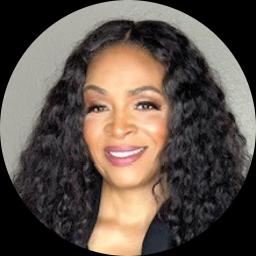
About Monica
Monica Farrer is a Licensed Clinical Mental Health Counselor (LCMHC) in North Carolina with 11 years of professional experience. She works with young adults and others coping with stress, anxiety, depression, addiction, relationship and parenting concerns. Monica focuses on practical help for problems like sleep disruption, anger, grief, and low self-esteem.
Her approach centers on direct conversation and clear strategies. She uses client-centered methods to listen and build trust. She draws on cognitive behavioral therapy and dialectical behavior therapy skills to teach concrete tools for managing thoughts, emotions, and behaviors.
Monica also integrates mindfulness techniques and motivational interviewing when useful. That can mean short experiments between sessions, learning a grounding skill, or planning steps toward a goal like returning to work or repairing a relationship. She aims to make sessions focused and American-English plain so ideas are easy to try out.
In practice she helps people tackle layered problems such as substance use alongside mood concerns, caregiver stress, or complex family dynamics. She lists additional focus areas including blended family issues, divorce and separation, guilt and shame, and multicultural concerns.
People who choose her can expect collaborative planning, straight talk about next steps, and a focus on skills that fit everyday life. To begin, readers should confirm session options and scheduling details before booking.
How Monica Uses Evidence-Based Methods Online
Client-centered work means sessions start with the client's concerns and priorities. The therapist listens, reflects, and helps set practical goals. This approach is useful for people who want straightforward discussion and collaborative planning.Cognitive Behavioral Therapy (CBT) focuses on identifying unhelpful thoughts and testing them with new behaviors. It helps with anxiety, depression, sleep problems, and managing everyday stress through clear exercises and homework. Dialectical Behavior Therapy (DBT) offers skills for regulating intense emotions and improving relationships. DBT skills can help with anger, impulsivity, and managing strong reactions when life feels overwhelming.
Choosing the right approach is part of the work. Monica will discuss what methods make sense based on a client's goals, needs, and preferences. That decision is collaborative and can change as progress is made.
The therapist's original profile did not list which online session formats she offers. Confirm the available session types before booking. Online work can make it easier to fit sessions into a weekday break, reduce travel time, or allow shorter check-ins when schedules are tight. It can also allow practicing skills between sessions in real-life contexts.
Areas of expertise
Primary focus
Also works with
Additional focus areas
Therapeutic approaches
Experience
11+ years
Listed in
North Carolina
Languages
English
Frequently asked questions
What kinds of problems does she help with?
She works with stress, anxiety, depression, addiction, relationship and parenting concerns, plus related issues such as grief, sleep problems, anger, self-esteem, and life changes.
What is her general therapy style?
She uses a client-centered style that pairs active listening with practical techniques from CBT and DBT. Sessions focus on clear skills and steps you can try between meetings.
How much experience does she have?
She has 11 years of professional experience working with the concerns listed in her profile.
What credential does she hold and where is she based?
She is an LCMHC - Licensed Clinical Mental Health Counselor - licensed in North Carolina and practices there.
Can I work with her if I live outside the United States?
Sessions are offered in English and she is not accepting international clients at this time.
What session formats are offered?
The original profile does not specify session formats. Confirm the current session options before booking.
How does pricing work?
Cost varies with location and sessions use a subscription that can be canceled at any time.
How do I get started?
Select the See online therapy options button, complete the short matching questionnaire, and schedule a first session.
Online talk therapy through BetterHelp is for adults aged 18 and over and is not emergency care. If you are in danger, use the emergency numbers. Find someone else by name.