- CBT techniques
- Client-centered work
- Mindfulness practices
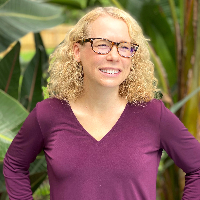
About Mary
Mary Kivett is a Florida LMHC with six years of clinical experience supporting adults. She works with stress, anxiety, low self-esteem, ADHD, relationship concerns, grief, parenting strains, workplace issues, and young adult issues among other common struggles.
She practiced in public education before moving into broader mental health work. That experience exposed her to different perspectives and everyday challenges people bring to counseling. She uses this background to keep conversations practical and focused on real life changes.
Her approach is client-centered and goal-oriented. She draws on Cognitive Behavioral Therapy (CBT) and Solution-Focused techniques alongside mindfulness practices. Sessions typically focus on clear steps, coping skills, and noticing unhelpful thinking patterns.
Mary pays attention to self-worth and how it affects daily decisions. She often helps people identify strengths they already have and builds small, manageable habits to expand them. Topics she commonly addresses include career stress, transitions after school, money worries, and questions of life purpose.
She works in English and practices in Florida as an LMHC. For people weighing whether to try therapy, her style tends to be upbeat and direct with practical tools and steady support.
To begin, visitors follow the site's process to complete a short questionnaire and schedule a first session. That initial step helps match priorities and plan what to focus on first.
How therapeutic approaches are used online
Client-centered therapy focuses on the person’s experience and preferences. It involves listening closely, reflecting what matters, and shaping sessions around the client’s priorities. This approach helps when someone wants a collaborative process rather than a fixed plan.Cognitive Behavioral Therapy, or CBT, looks at how thoughts, feelings, and actions connect. It uses clear, practical exercises to test unhelpful thinking and build new habits. CBT can be useful for anxiety, stress, low self-esteem, and many day-to-day problems young adults face.
Finding the right approach is part of the work. Mary will help identify which methods fit a person’s goals, needs, and comfort level. That decision is collaborative and can change as progress is made.
The profile does not list specific online formats, so confirm current session options before booking. Many people find that remote sessions make it easier to fit counseling into work or school schedules, shorten travel time, and allow check-ins during breaks. Phone or video sessions can also make practical differences like not needing to be on camera or using less bandwidth. These logistics are sorted when scheduling so sessions fit everyday life.
Areas of expertise
Primary focus
Also works with
Additional focus areas
Therapeutic approaches
Experience
6+ years
Listed in
Florida
Languages
English
Frequently asked questions
What kinds of problems does she address?
She works with stress, anxiety, low self-esteem, ADHD, grief, relationship and workplace concerns, parenting stresses, and young adult issues.
How does she approach therapy?
Her style is client-centered with practical tools. She uses Cognitive Behavioral Therapy, solution-focused strategies, and mindfulness to build coping skills and change unhelpful thinking.
How long has she been practicing?
She has six years of experience practicing as a mental health professional in Florida.
What are her credentials and location?
She is a Florida LMHC and practices in Florida.
Does she work in other languages or with international clients?
Sessions are offered in English. She is not currently accepting international clients.
Which session formats are offered?
The original profile does not list session formats. Confirm current session options before booking.
How are sessions paid for and what do they cost?
Cost varies with location. Sessions use a subscription that can be canceled at any time.
What do I do to get started?
Select the See online therapy options button, complete a short matching questionnaire, and schedule a first session.
Online talk therapy through BetterHelp is for adults aged 18 and over and is not emergency care. If you are in danger, use the emergency numbers. Find someone else by name.