- Attachment approaches
- CBT and DBT skills
- Gottman method use
About Keasha
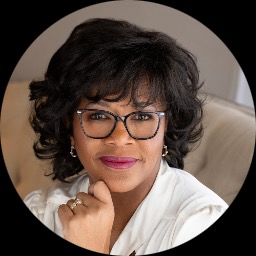
Dr. Keasha Walton-Ellis is a Nevada LMFT with 15 years of clinical experience. She helps adults who are feeling stuck, anxious, depressed, or unsure about relationships and self-worth. Many clients seek her support for stress, bipolar concerns, and issues that affect everyday functioning.
She uses a mix of methods rather than one fixed technique. Her work draws on attachment-based thinking, client-centered conversation, cognitive behavioral tools, DBT skills, and the Gottman Method for relationship patterns. Sessions focus on practical steps and clearer thinking rather than jargon.
In sessions she listens first and then helps people test small changes. That might mean practicing a new way to talk with a partner, tracking mood and behavior patterns, or learning short DBT skills for managing strong emotions. She encourages steady progress and short experiments to see what helps.
Keasha pays attention to sexual and relational diversity, including BDSM and kink, and to issues like commitment worries, communication problems, infidelity, and shame. She also works with people dealing with loneliness, family conflict, and questions about life purpose or midlife shifts.
Her manner is straightforward and calm. She says starting therapy can feel overwhelming and aims to move at a client's pace. For people balancing work, study, or early adult life stressors, she focuses on realistic, usable tools that fit daily routines.
How her approaches guide online work
Attachment-based work looks at how patterns from close relationships affect current connections. It helps when people repeat old relationship moves or feel unsafe getting close. Cognitive Behavioral Therapy, or CBT, focuses on the links between thoughts, feelings, and actions and uses simple exercises to test and change unhelpful patterns. The Gottman Method attends to communication and conflict habits in relationships and offers concrete skills to repair interactions.Deciding which approach to use is collaborative. The therapist will discuss goals, try a few methods, and adjust based on what helps. Clients are invited to reflect on what feels useful and what does not, so the plan can change over time.
The original profile does not list specific online session formats, so confirm current options before booking. Online sessions can make it easier to fit therapy into a busy week, reduce travel time, and allow shorter check-ins when schedules are tight. They can also let someone practice communication skills between sessions in the context of daily life. Licensed professionals use these options to help clients keep momentum while balancing work, study, and other responsibilities.
Areas of expertise
Primary focus
Additional focus areas
Therapeutic approaches
Experience
15+ years
Listed in
Nevada
Languages
English
Frequently asked questions
What issues does she help with most?
She works with stress, anxiety, depression, bipolar concerns, and relationship or self-esteem struggles.
How would she describe her therapy style?
Her style is client-centered and practical, mixing attachment ideas with CBT and DBT skills to focus on concrete changes.
How much experience does she have?
She has 15 years of professional experience working with adults on a range of emotional and relationship issues.
What are her credentials and where is she based?
She is an LMFT licensed in Nevada and practices from that state.
Can non-US or international clients work with her?
Sessions are offered in English and she is not accepting international clients at this time.
What session formats does she offer?
The original profile does not list specific session formats. Confirm current session options before booking to know whether video, phone, or in-person visits are available.
How does pricing work for sessions?
Cost varies by location and sessions use a subscription that can be canceled at any time.
How do I begin working with her?
Select the See online therapy options button, complete a short matching questionnaire, and schedule a first session.
Online talk therapy through BetterHelp is for adults aged 18 and over and is not emergency care. If you are in danger, use the emergency numbers. Find someone else by name.