- Client-Centered Therapy
- Cognitive Behavioral Therapy
- Mindfulness practice
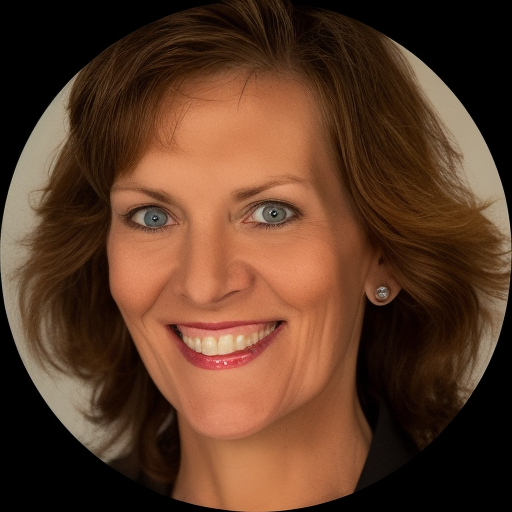
About Darlene
Dr. Darlene Groomes is a Michigan Licensed Professional Counselor (LPC) with four years of clinical experience. She works with adults on stress, anxiety, addictions, grief, relationship and intimacy issues, depression, and life changes. She also supports people with ADHD and compassion fatigue, and addresses family and parenting concerns when individuals bring them to therapy.
Her approach centers on client-centered care combined with practical techniques. She uses cognitive behavioral strategies to identify unhelpful thinking and DBT skills to manage strong emotions. Mindfulness practices are offered to help with focus and grounding during stressful times.
Dr. Groomes has experience helping people who have faced trauma, loss, disability, and body image struggles. She is trained to provide mental health first aid for youth and to train adults in mental health first aid response. That background informs how she listens for immediate needs and plans follow-up work.
Sessions are guided by clear, direct conversation and teaching. She uses psychoeducational and solution-focused methods to build skills for day-to-day challenges. If someone would be better suited to a different clinician, she will suggest local referrals.
For someone in early adulthood feeling overwhelmed by change, career choices, or relationships, Dr. Groomes offers straightforward support. She helps people talk through practical steps, manage symptoms, and set short-term goals to move forward.
How Dr. Groomes brings client-centered and skills-based work online
Client-centered therapy focuses on listening and understanding what matters to the client, then shaping sessions around their goals. It helps when someone needs clear, respectful space to talk about life changes, relationships, or identity concerns.Cognitive Behavioral Therapy (CBT) is about spotting unhelpful thoughts and testing them with practical exercises. It is useful for anxiety, depression, and situations where changing thinking patterns can reduce distress. Dialectical Behavior Therapy (DBT) teaches specific skills for emotion regulation, distress tolerance, and clearer communication, which can help with intense feelings and relationship conflict.
Finding the right mix of methods is part of the work. The therapist will collaborate with each client to choose which approaches to try based on goals and preferences. That discussion can include brief skill teaching, homework exercises, or more reflective conversation depending on what the person needs.
The profile does not list which online session formats are used, so confirm session options before booking. Online sessions can make it easier to fit therapy into a busy schedule, allow shorter check-ins when needed, and avoid travel time. They also let people use mindfulness exercises and workbook-style tasks between meetings to keep progress moving.
Areas of expertise
Primary focus
Also works with
Additional focus areas
Therapeutic approaches
Experience
4+ years
Listed in
Michigan
Languages
English
Frequently asked questions
What kinds of problems does she work with?
She works with stress, anxiety, depression, addictions, grief, relationship and intimacy issues, ADHD, compassion fatigue, and related concerns listed in her profile.
How would she approach my issues in sessions?
She blends client-centered listening with practical methods like cognitive behavioral therapy and mindfulness. Sessions often include skill teaching and direct discussion of next steps.
How much clinical experience does she have?
She has four years of clinical experience working with trauma, loss, disability, family issues, and body image challenges.
What are her credentials and where is she based?
She is a Michigan Licensed Professional Counselor (LPC) based in Michigan.
Can I see her if I live outside the United States?
Sessions are offered in English and she does not accept international clients at this time.
What session formats are offered?
Please confirm current session options before booking, as the profile does not specify which formats are provided.
How much do sessions cost?
Cost varies with location; sessions use a subscription that can be canceled at any time.
How do I get started with therapy?
Select the See online therapy options button, complete the short matching questionnaire, and schedule your first session.
Online talk therapy through BetterHelp is for adults aged 18 and over and is not emergency care. If you are in danger, use the emergency numbers. Find someone else by name.