- Stress and anxiety
- CBT and DBT methods
- Parenting support
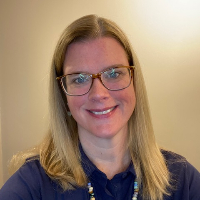
About Wendy
Wendy Isaac is a Licensed Marriage and Family Therapist (LMFT) practicing in Massachusetts with 25 years of experience. She works with adults on issues such as stress, anxiety, depression, bipolar disorder, ADHD, grief, trauma and abuse, and young adult issues.
Wendy uses straightforward, practical approaches in sessions. She listens and helps people name the problems that matter most. She then works with them to try different skills and strategies drawn from cognitive behavioral therapy and dialectical behavior therapy.
Over the years she has also used client-centered methods and solution-focused techniques to help people move forward. That can mean practicing new ways to cope with strong emotions, trying small experiments between sessions, or changing how people react to stressful situations. Sessions are conversational and goal oriented.
Wendy also has experience with family-related concerns such as adoption and foster care, blended family issues, divorce and separation, and parenting stress. She helps individuals facing postpartum depression, compassion fatigue, self-harm urges, and other mood-related problems find clearer next steps.
Her background includes work in private practice and school settings. She emphasizes collaboration about what to work on and checks in regularly to make sure the approach fits the person’s needs. People who want practical tools and steady guidance may find this approach helpful.
How Wendy’s approaches translate to online work
Wendy draws on cognitive behavioral therapy and dialectical behavior therapy in ways that fit online sessions. CBT focuses on identifying and testing unhelpful thoughts and behaviors, helping with anxiety, depression, and work or school stress. DBT teaches skills for managing intense emotions and improving emotional regulation, which can help with mood instability, strong reactions, and burnout.Choosing the right approach is part of therapy. Wendy will talk with each person about goals and preferences, and the two of them will decide together which methods to try first. She adjusts the plan as needed based on how the work is going and what feels useful.
Session formats are not listed in the biographical information, so confirm current options before booking. Online sessions can make it easier to fit therapy into a busy routine, reduce travel time, allow shorter check-ins when schedules are tight, and let people work with a therapist from their own city. Licensed professionals can use video, phone, or other session types depending on what is available and what the client prefers.
Areas of expertise
Primary focus
Also works with
Additional focus areas
Therapeutic approaches
Experience
25+ years
Listed in
Massachusetts
Languages
English
Frequently asked questions
What kinds of concerns does she work with?
She addresses stress, anxiety, depression, bipolar disorder, ADHD, grief, trauma and abuse, parenting issues, and young adult issues among other mood and family-related concerns.
What is her general therapy style?
She uses client-centered listening combined with practical techniques from CBT, DBT and solution-focused therapy to set goals and practice new skills.
How much clinical experience does she have?
She has practiced for 25 years in private practice and school settings.
What are her credentials and where is she based?
She holds an MA and is a Licensed Marriage and Family Therapist (LMFT) in Massachusetts.
Does she see people in languages other than English?
Sessions are offered in English.
Can people outside the United States work with her?
She does not accept international clients at this time.
What formats are used for sessions?
Confirm current session options before booking to know which formats are offered for appointments.
How are fees and starting steps handled?
Fees vary with location and sessions use a subscription that can be canceled at any time. To begin, select the See online therapy options button, complete a short matching questionnaire, and schedule a first session.
Online talk therapy through BetterHelp is for adults aged 18 and over and is not emergency care. If you are in danger, use the emergency numbers. Find someone else by name.