- Client-Centered Therapy
- Cognitive Behavioral Therapy
- Emotionally-Focused Therapy
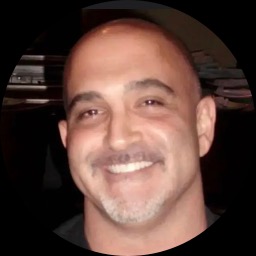
About Ricardo
Ricardo Ortega is a New York Licensed Mental Health Counselor (LMHC) with 15 years of experience working with adults. He helps people manage stress, anxiety, grief, parenting challenges, and LGBT-related concerns. He also supports work on relationships, self-esteem, addictions, career questions, and life transitions.
Ricardo uses clear, direct conversations rather than clinical jargon. Sessions focus on practical steps and readable goals. He listens to what matters most and steers the work toward problems a person can act on between meetings.
His approach draws on client-centered methods that foreground the person's own perspective. He mixes cognitive behavioral work to spot unhelpful thoughts and behaviors. He also uses emotionally focused ideas to look at how feelings shape relationships and decisions.
Ricardo has spent years helping people facing major life shifts. That includes moving through loss, adjusting after a career change, and navigating identity questions for LGBT clients. He also has experience with immigration-related stress, first responder concerns, and issues tied to aging and end-of-life care.
Sessions are offered in English and Spanish. He works with people thinking about career direction, parenting pressures, or feeling behind in early adulthood. To begin, prospective clients complete a short matching questionnaire and schedule a first session.
How Ricardo’s approaches guide remote sessions
Client-centered therapy focuses on the person’s perspective. The therapist listens closely, reflects what is said, and helps the client clarify priorities. This approach suits people who want to set the agenda and explore what matters most to them.Cognitive Behavioral Therapy (CBT) looks at the links between thoughts, feelings, and actions. It uses clear exercises and experiments to test unhelpful patterns. CBT is often used for anxiety, low mood, and practical coping skills useful during life transitions.
Finding the right approach is part of the work. Ricardo will discuss goals and preferences and together decide which methods to use. The plan can shift as needs change, with the client’s views shaping the direction of therapy.
Session logistics should be confirmed before booking since formats are not listed in the biography. Many people choose remote sessions because they fit into study, work, or busy schedules. Remote meetings can make it easier to have shorter check-ins, avoid travel time, or work around variable hours. Ask about available session options when you complete the matching questionnaire so arrangements match your daily routine.
Areas of expertise
Primary focus
Also works with
Additional focus areas
Therapeutic approaches
Experience
15+ years
Listed in
New York
Languages
English, Spanish
Frequently asked questions
What concerns does he help with?
He works with stress, anxiety, grief, parenting, LGBT-related concerns, relationship and career issues, and young adult challenges.
What is his therapy style like?
He uses straightforward conversation and practical steps, combining client-centered listening with CBT and emotionally-focused ideas.
How much experience does he have?
He has 15 years of professional experience working with adults on a range of concerns.
What are his credentials and where is he based?
He is an LMHC licensed in New York and practices from that state.
Does he work in other languages or with international clients?
Sessions are offered in English and Spanish. He is not currently accepting international clients.
What session formats are offered?
Please confirm current session options before booking, as formats are not specified in the biography.
How much do sessions cost?
Cost varies with location; sessions use a subscription that can be canceled at any time.
How do I begin working with him?
Select the See online therapy options button, complete a short matching questionnaire, and schedule a first session.
Online talk therapy through BetterHelp is for adults aged 18 and over and is not emergency care. If you are in danger, use the emergency numbers. Find someone else by name.