- Client-Centred approach
- Psychodynamic ideas
- Works with stress
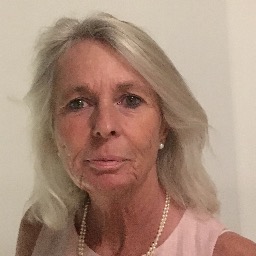
About Emma
Emma Lewins is a BACP and NCPS registered counsellor based in the United Kingdom with four years' experience. She works with a range of common concerns such as stress, anxiety, grief, low self-esteem and depression. Emma also supports people facing life changes, workplace pressure, and issues linked to identity, including LGBT matters and young adult issues.
Emma uses client-centred ways of working alongside psychodynamic ideas. That means sessions focus on the person's experience now while also looking at how past events and relationships shape current thoughts and feelings. Conversations are practical and reflective rather than technical.
She has experience supporting people who have been through trauma and abuse, those dealing with parenting challenges, and people coping with compassion fatigue and ADHD-related struggles. Emma also accepts people with concerns linked to adoption and foster care, ageing, autism, communication and family problems.
Sessions are presented with a clear aim to understand patterns, identify helpful changes and set small, manageable goals. The therapist uses a mix of methods to suit the person rather than one fixed style. Over time clients are encouraged to notice how beliefs and behaviours shift.
To begin, clients complete a short matching questionnaire and book a first session. The cost varies by location and sessions use a subscription that can be cancelled at any time. International clients are accepted and sessions are offered in English.
Therapeutic approaches and online sessions
Emma works using client-centred methods and psychodynamic ideas. Client-Centred Therapy focuses on understanding the client's experience and offering non-directive support so people can find their own solutions. It is helpful for stress, low self-esteem and relationship worries. Psychodynamic Therapy looks at how past relationships and patterns influence current feelings and behaviour, which can help with persistent anxiety, grief and repeated relationship difficulties.Finding the right approach is part of the work. Emma will talk with the client about goals, preferences and what has helped before. Together they choose methods and set tasks that feel manageable, adapting the plan as progress is made so the work stays relevant to everyday life.
The practical benefits of online therapy include fitting sessions around study, work and busy schedules and reducing travel time. Confirmation of the exact session formats should be requested before booking, as formats are not listed here. Online sessions can make it easier to schedule shorter check-ins, avoid long journeys and keep regular contact while balancing other commitments.
Areas of expertise
Also works with
Additional focus areas
Therapeutic approaches
Experience
4+ years
Listed in
United Kingdom
Languages
English
Frequently asked questions
What kinds of concerns does she help with?
She helps with stress, anxiety, grief, low self-esteem, depression and life changes, plus issues such as trauma, parenting and young adult issues.
How would she describe her therapeutic style?
She blends client-centred listening with psychodynamic thinking, focusing on present experience while examining past influences.
How much clinical experience does she have?
She has four years of experience working with a range of mild to moderate mental health concerns and interpersonal issues.
What are her professional credentials and location?
She is registered with BACP and NCPS and practices from the United Kingdom.
Are sessions available in languages other than English?
Sessions are offered in English.
Can people outside the UK work with her?
International clients are accepted.
How do fees and payment work?
Cost varies with location; sessions use a subscription model that can be cancelled at any time.
What steps are involved in getting started?
Select the See online therapy options button, complete a short matching questionnaire, and schedule a first session.
Online talk therapy through BetterHelp is for adults aged 18 and over and is not emergency care. If you are in danger, use the emergency numbers. Find someone else by name.