- Stress and anxiety
- Attention and memory
- Depression support
About Tereash
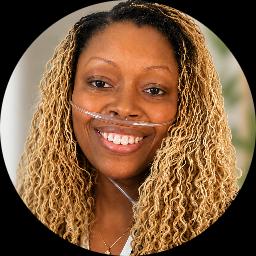
Tereash Davis Keitt is a Licensed Professional Counselor (LPC) in South Carolina with three years of clinical experience. She works with adults on common concerns such as stress, anxiety, depression, and coping with life changes. She also supports people facing concentration and memory difficulties, ADHD-related struggles, grief, anger, and self-esteem problems.
Her approach is straightforward and respectful. Conversations focus on what is happening now and practical ways to manage symptoms and daily demands. She adapts sessions to each person's situation and pays attention to sensitivities that matter to the client.
Tereash often helps people who are adjusting to big life transitions. That can include changes in work, relationships, or household roles. She also works with those dealing with chronic pain, illness, disability, and separation or divorce when these issues affect mood and daily functioning.
Sessions include talking through immediate problems, building clearer routines for attention and memory, and practicing coping techniques for anxiety or low mood. She uses evidence-based therapeutic techniques to guide the plan and adjusts as progress is made.
Her style is direct and practical. She encourages small, achievable steps and checks in on how strategies are working. People who want clear, action-oriented support during early adulthood challenges may find this approach helpful.
How evidence-based approaches translate to online work
Tereash uses evidence-based therapeutic techniques to guide sessions. One common approach focuses on practical coping skills for anxiety and depression - it teaches breathing, activity planning, and stepwise behavior changes to reduce overwhelming feelings. Another frequent element targets attention and memory strategies, offering routines and small habit changes to improve concentration and daily functioning.Finding the right mix of methods is part of the work together. She will discuss goals, try approaches that fit the client's needs, and adjust them based on what helps. That process is collaborative and based on regular check-ins about progress and difficulties.
The original biography does not list specific online session formats, so confirm current options before booking. In general, online sessions can make it easier to fit therapy into a busy week, remove travel time, and allow shorter check-ins when a quick update is needed. Phone sessions can work when less bandwidth or no camera is preferred, while video sessions allow more face-to-face interaction for practice and feedback. Ask about the available session types when scheduling to choose what fits your routine.
Areas of expertise
Also works with
Additional focus areas
Experience
3+ years
Listed in
South Carolina
Languages
English
Frequently asked questions
What concerns does she help with?
She works with stress, anxiety, depression, coping with life changes, ADHD-related concentration and memory issues, trauma and abuse, grief, anger, self-esteem, and related areas.
How would she describe her therapeutic style?
Her style is direct and practical. Conversations focus on current problems and small steps clients can try between sessions.
How much clinical experience does she have?
She has three years of professional work experience as an LPC in South Carolina.
What are her credentials and where does she practice?
She is a Licensed Professional Counselor (LPC) licensed in South Carolina and practices there.
In which languages are sessions offered?
Sessions are offered in English.
Can people from other countries work with her?
She is not currently accepting international clients.
What formats are used for sessions?
The original biography does not specify session formats. Please confirm current session options before booking.
How much do sessions cost and how does billing work?
Cost varies with location and sessions use a subscription that can be canceled at any time.
Online talk therapy through BetterHelp is for adults aged 18 and over and is not emergency care. If you are in danger, use the emergency numbers. Find someone else by name.