- CBT techniques
- Trauma aware
- Young adult focus
About Joy
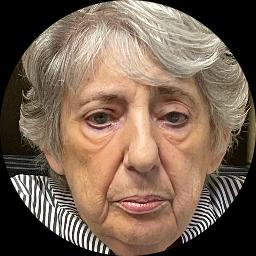
Joy Lemieux is a Licensed Clinical Mental Health Counselor (LCMHC) in North Carolina with 25 years of professional experience. She focuses on stress, anxiety, relationship difficulties, family conflict, trauma and abuse, and self-esteem concerns. Joy also notes a practice interest in young adult issues and related areas such as isolation and communication problems.
She uses practical conversation and goal-focused work to help people make changes that feel manageable. Sessions are straightforward and centered on what the client wants to address next. Joy listens to how a problem shows up day to day and helps break it into steps that can be tried between appointments.
Her approach draws on Cognitive Behavioral Therapy (CBT) tools to spot unhelpful thinking patterns and test new ways of reacting. This can be useful for anxiety, social worries, and low mood. Joy also brings experience working with trauma and abuse, and adapts the pace to each person’s needs.
Clients can expect a collaborative process where problems get framed in clear, doable terms. The work often includes short exercises, practice tasks, and checking progress over time. Joy aims to make sessions practical so people can apply what they discuss to school, work, and relationships.
Her long experience in the field means she has seen many versions of common problems. She helps people identify strengths they already use and builds on those to reduce distress and improve everyday functioning.
How CBT shapes online sessions and what to expect
Joy uses Cognitive Behavioral Therapy (CBT) tools to help people notice thinking patterns and try different responses. CBT is practical and focuses on clear steps you can practice between sessions to reduce anxiety and improve mood.The therapist will work collaboratively to find the best approach. That means talking about goals, trying methods, and adjusting plans based on what helps. Finding the right fit is treated as a joint process rather than a fixed prescription.
Session formats are not listed in the biography, so confirm current options before booking. Online sessions can make it easier to fit therapy around classes, work, or other commitments. For example, video calls allow face-to-face conversation when schedules are tight, and phone check-ins can be shorter and require less bandwidth. Licensed professionals can use these formats to keep momentum between in-person visits and to practice skills in everyday settings.
Areas of expertise
Primary focus
Additional focus areas
Therapeutic approaches
Experience
25+ years
Listed in
North Carolina
Languages
English
Frequently asked questions
What concerns does she address?
She works with stress, anxiety, relationship and family conflict, trauma and abuse, and self-esteem issues. Young adult concerns such as feeling lost after school or early career stress are listed among her focus areas.
How would sessions with her feel?
Sessions are practical and conversational with goal-focused steps. Expect discussion of daily patterns and short exercises to try between meetings.
How much experience does she have?
Joy has 25 years of professional experience in mental health work. That background includes supporting people with trauma, anxiety, and relationship concerns.
What credentials and location apply?
She holds the LCMHC credential and is licensed in North Carolina. Her practice is based in that state.
Which languages are offered?
Sessions are offered in English.
Can international clients work with her?
International clients are not currently accepted.
How does cost and payment work?
Cost varies with location and sessions use a subscription that can be canceled at any time. Confirm pricing details before scheduling.
How do I begin working with her?
Start by selecting the See online therapy options button, complete the short matching questionnaire, and schedule a first session. That will set up the initial appointment.
Online talk therapy through BetterHelp is for adults aged 18 and over and is not emergency care. If you are in danger, use the emergency numbers. Find someone else by name.