- Relational approach
- Behavioral-cognitive methods
- Learning differences
About Merry
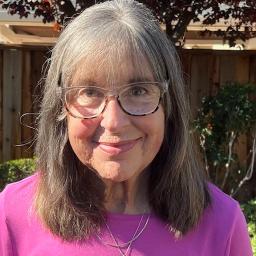
Merry McKinnon is a California licensed marriage and family therapist (LMFT) with 33 years of clinical experience. She works with stress, anxiety, grief, low self-esteem, depression, and ADHD, and has a focus on young adult issues.
She often sees ADHD and learning differences showing up as social anxiety, isolation, disorganization, or academic and workplace struggles. Merry also has experience with high-functioning autism spectrum (formerly Asperger Syndrome), non-verbal learning disorder, and auditory processing disorder. Many people come for help with motivation, grief, addiction, and problems with self-image.
Merry describes her approach as relational and uses a behavioral-cognitive lens. Sessions focus on building a trusting therapeutic relationship first. From there she helps clients look at patterns of thinking and behavior that keep them stuck, and find practical ways to try new strategies.
She looks for strengths that clients may not recognize. Conversations often include concrete steps for organization, coping with anxiety, and improving communication. Merry encourages experimenting with changes in small, manageable ways so progress can be seen and adjusted over time.
People who reach out are usually navigating transitions, feeling behind their peers, or struggling to manage school and work demands. She aims to help clients clarify goals, reduce unhelpful patterns, and build routines that support day-to-day functioning.
Evidence-based techniques and online care
Merry uses evidence-based therapeutic techniques in a relational, behavioral-cognitive way. Cognitive-behavioral approaches focus on identifying unhelpful thoughts and testing small behavior changes. This can help with anxiety, low mood, and motivation by giving concrete tools to try between sessions.She also works with practical strategies for ADHD and learning differences, such as breaking tasks into manageable steps, building predictable routines, and improving organization and communication. Those methods are helpful for people struggling with school, work, or daily tasks that feel overwhelming.
Finding the right approach is part of the work. Merry collaborates with each person to match methods to their needs, goals, and preferences. She reviews what has and hasn’t worked before and adjusts strategies as progress unfolds.
Session formats are not specified in the biography, so confirm current session options before booking. In general, online sessions can make it easier to fit therapy into a busy week, reduce commute time, and allow shorter check-ins when schedules are tight. They also make it simpler to continue work during transitions such as moving, job changes, or school terms.
Areas of expertise
Primary focus
Additional focus areas
Experience
33+ years
Listed in
California
Languages
English
Frequently asked questions
What concerns does she work with?
Merry works with stress, anxiety, grief, low self-esteem, depression, and ADHD. She also focuses on young adult issues and related challenges such as isolation and motivation.
How does she approach therapy?
Her style is relational with a behavioral-cognitive lens. She starts by building trust, then looks at thinking and behavior patterns to identify practical changes.
How many years of experience does she have?
She has 33 years of professional experience working with a wide range of client concerns.
What credential does she hold and where is she based?
She is an LMFT licensed in California and practices from that state.
What languages are available for sessions?
Sessions are offered in English.
Can people outside the US work with her?
She is not currently accepting international clients.
How much do sessions cost?
Cost varies with location and sessions use a subscription that can be canceled at any time.
How do I begin working with her?
Select the See online therapy options button, complete a short matching questionnaire, and schedule a first session.
Online talk therapy through BetterHelp is for adults aged 18 and over and is not emergency care. If you are in danger, use the emergency numbers. Find someone else by name.